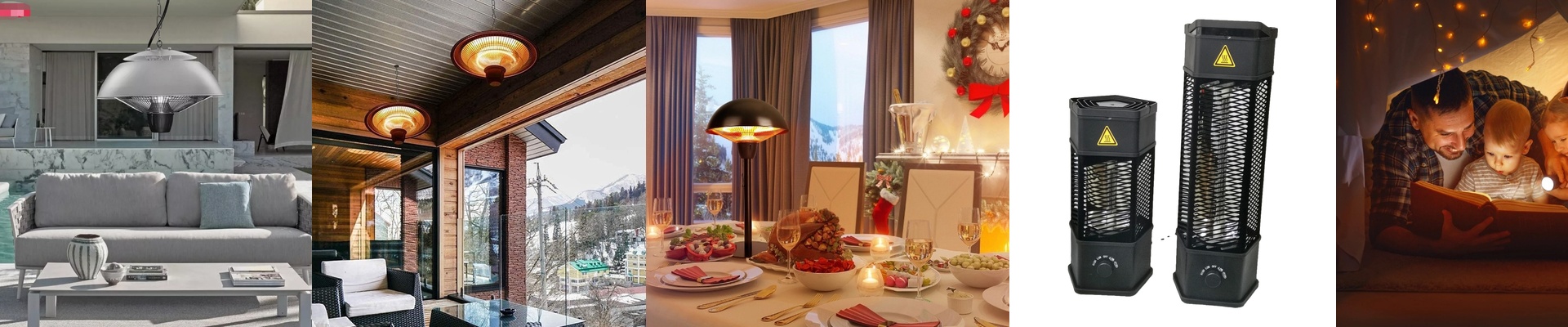
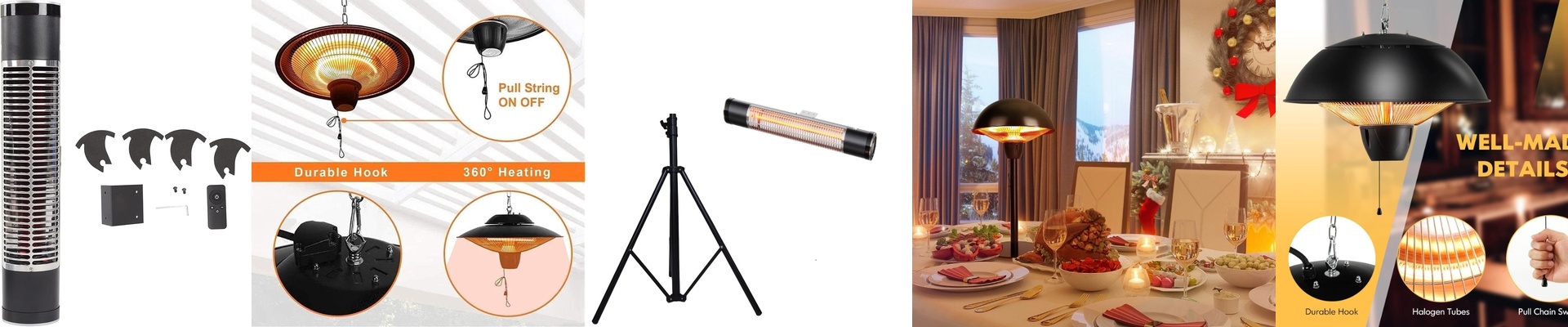
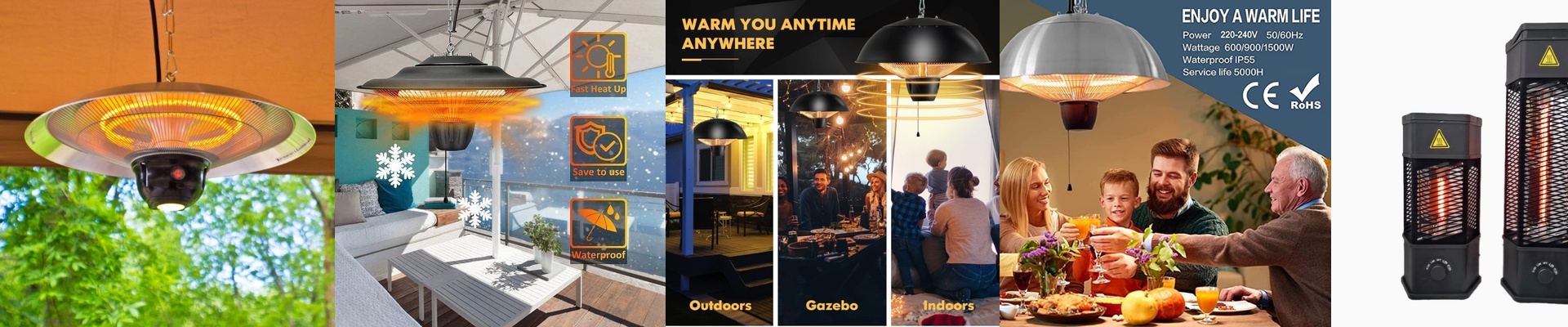
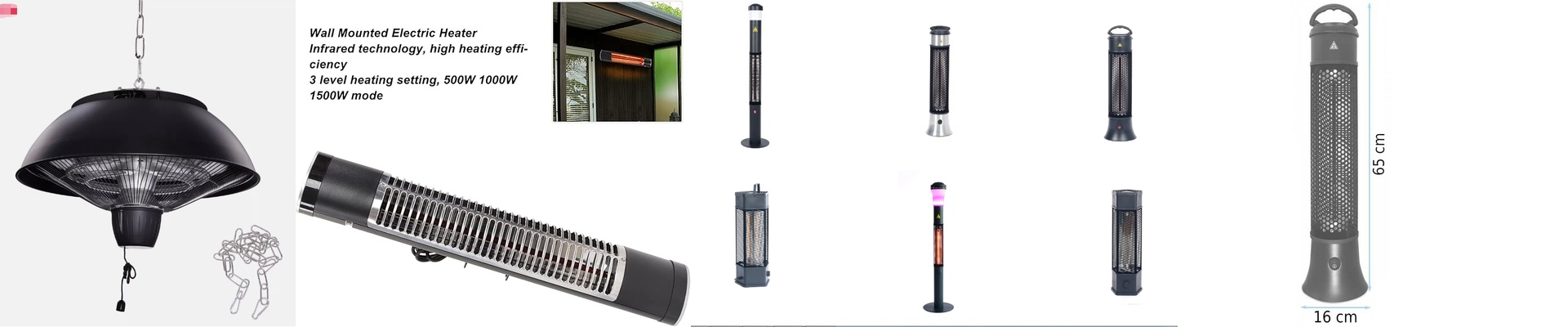
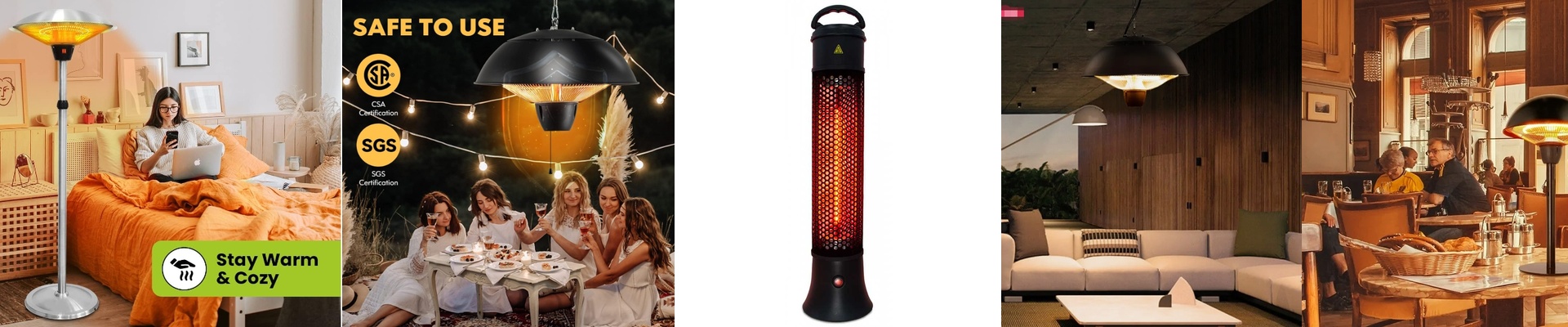

Step out of the shower and into a bathroom that feels warm and dry, not clammy. Without steady radiant warmth, tile and grout turn into damp breeding grounds, and that musty smell comes back fast. An electric infrared bathroom heater does more than chase the chill. It changes the microclimate right at the surface, where mold and mildew set in.
What matters, technically
We build these electric radiator heaters around short-wave infrared lamps inside durable quartz tubes. The element throws high-intensity radiant heat that warms people and surfaces directly, not the air. That targeted output means you feel comfort faster, and wet materials dry quicker. In practice, a typical 1,500 W unit covers a standard bathroom, with a focused beam that keeps the heat where you need it.
Why it works in a bathroom
Bathrooms stay humid long after the shower ends. Conventional warm-air heaters can feel slow and still leave surfaces cold, while infrared hits the floor, walls, and towels with direct warmth. That speeds up evaporation and helps cut down condensation on mirrors and tiles. Less moisture sitting on surfaces means fewer conditions that encourage mold. The payoff is a bathroom that feels cleaner, smells fresher, and supports a healthier routine.
The things you really need to know
Mount the heater so the beam covers the spots that get damp, and keep it at a safe distance from water sources. A hardwired connection is the cleanest install, and pairing the unit with a thermostat keeps comfort steady without overheating. These heaters are great for spot heating and surface drying, but they are not dehumidifiers. In very humid homes, run an exhaust fan or a dehumidifier alongside the heater to manage airborne moisture.