
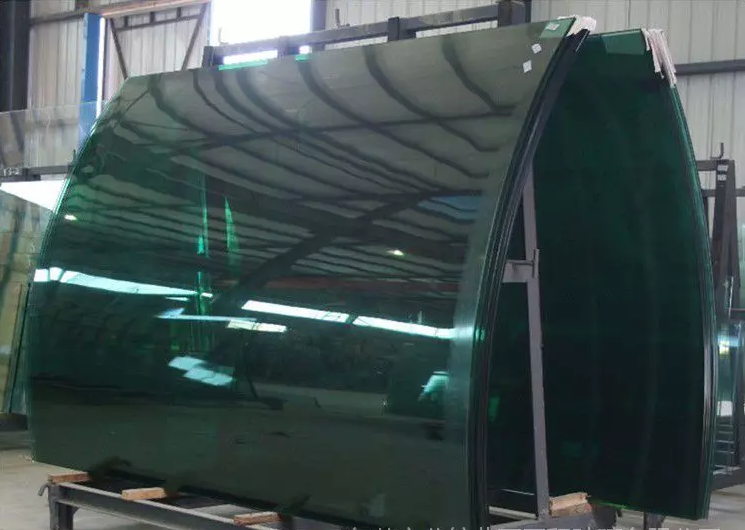
On the lamination line, minutes and degrees translate straight to the bottom line. When you’re pressing EVA or SGP interlayers between glass, you’ve got to drive off residual moisture and trapped air fast—without hot spots, without thermal shock, and without bogging down the whole cell. Convection ovens drag the schedule out and make it tough to hold flatness. Infrared drying, done right, cuts the cycle, tightens repeatability, and keeps pouch integrity intact right up to the autoclave. Here’s the technical part that matters: match wavelength and power to the glass and the interlayer. Our laminated glass drying infrared modules lean on short-wave quartz emitters tuned for rapid, surface-driven heating. The spectral output penetrates the laminate stack and drives off moisture without cooking the edges. Power density is matched to line speed, so you can run 3–6 m/min in many EVA cells without compromising edge seal integrity. Control stays tight: ±1% power stability, fast response, and a uniform thermal field that reduces thermal stress and protects optical clarity. And it fits the way you already run. The modules drop into existing lamination presses and pre-heat stations, replacing OEM infrared units without rewiring or re-engineering the footprint. You get faster ramp-up, shorter dwell, and fewer rejects from bubbles and haze. Energy draw drops because you heat only when needed, and the emitters hold output for 5,000+ hours with minimal drift. A couple of things to keep in mind: glass emissivity shifts with coating and tint, so we tune the array and power profile to your specific stack. Clear float, low-e, and solar control glasses all need different settings. The retrofit is straightforward—bolt-on mounting, standard connectors, and alignment tolerances that work with the reflectors and fixtures you already have. Set up clean power, control the atmosphere, and keep a routine emitter inspection in place, and the line will keep running at yield.