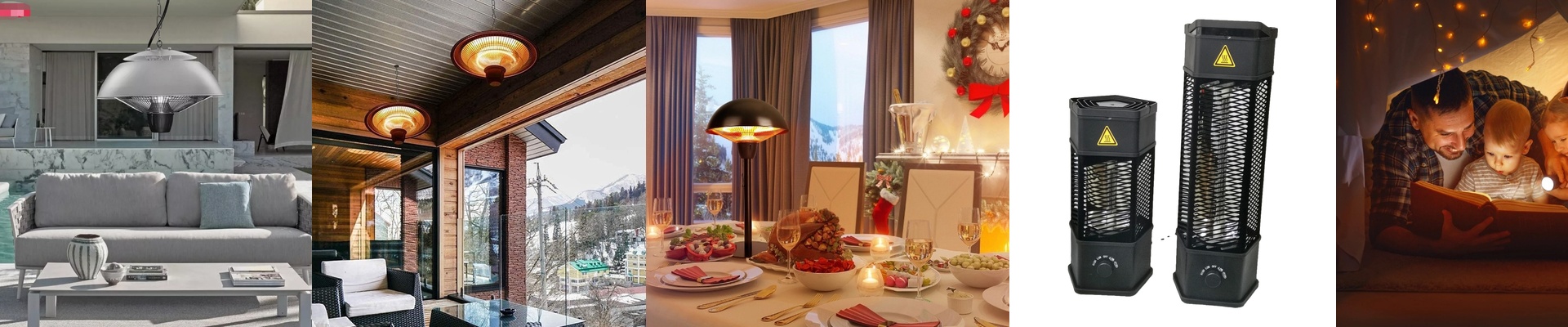
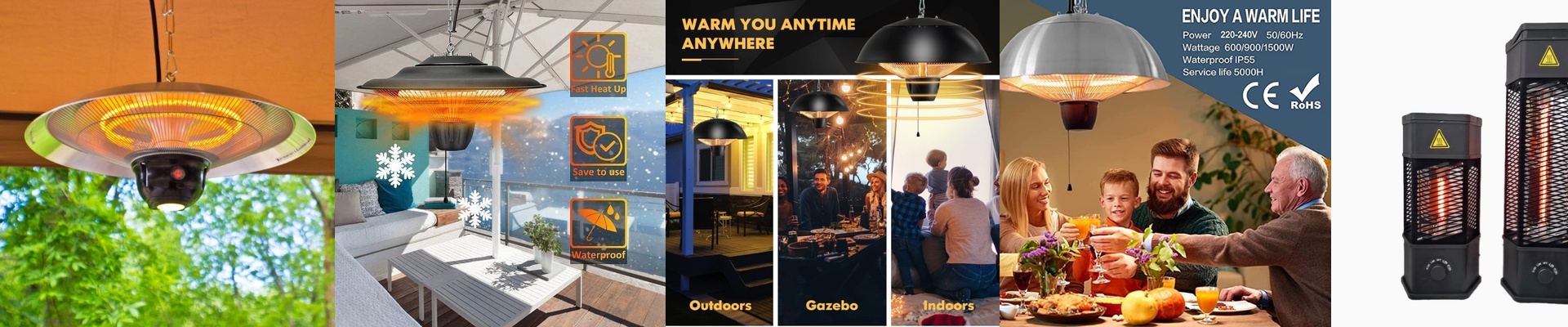
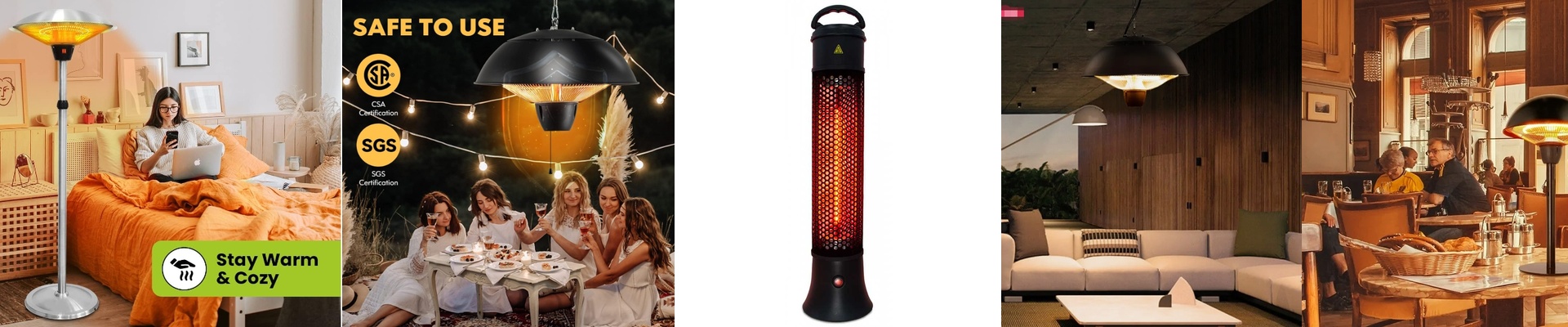
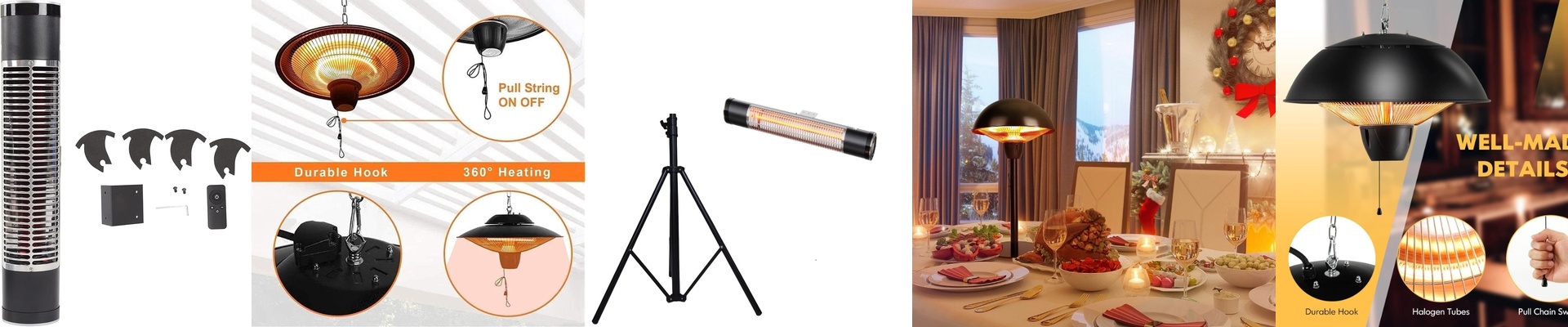
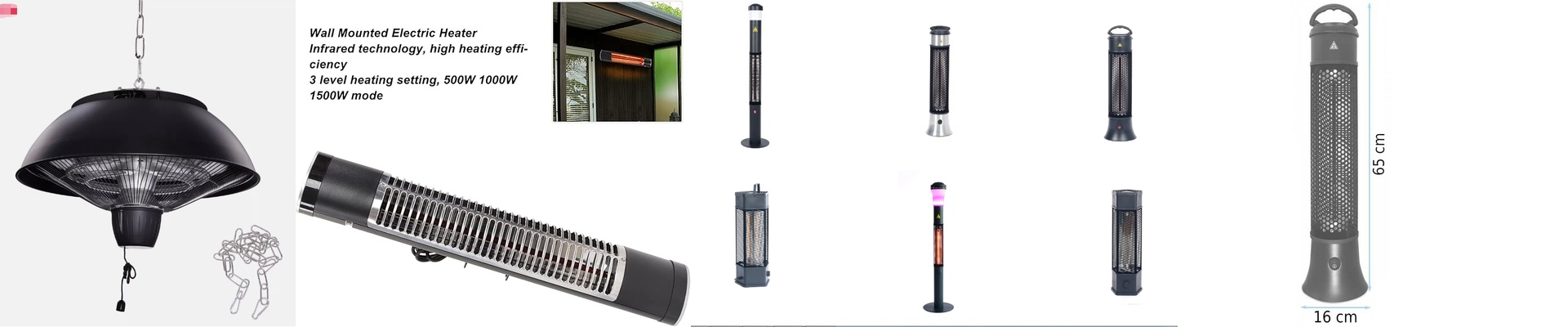
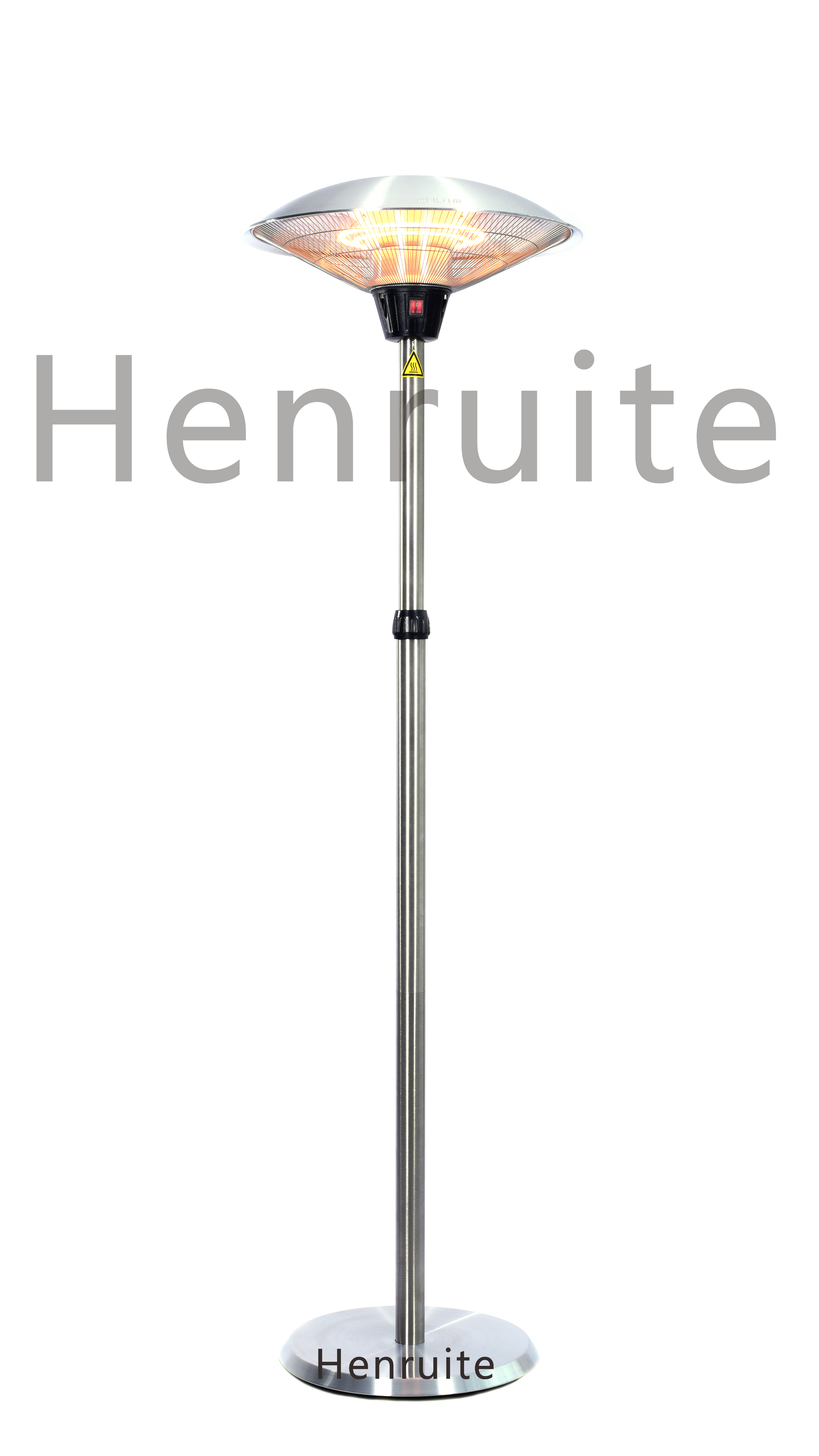
What Makes Our Terrace Heater Actually Work
Let’s get into the nitty-gritty of what makes these heaters tick. We built our terrace heaters around a serious industrial setup: a high-wattage quartz tube that runs on 220V-240V. That voltage range is exactly what commercial buildings are wired for, so you can plug it in without having to rewire your whole place. And that high wattage? It’s what gives you the intense heat you need to actually warm a big, open terrace. The tube itself is carefully sized. It’s long enough to throw a wide, even blanket of heat, but still slim enough to slip into tight spots without looking clunky. That balance matters. It gives you serious output without taking over your space.
The Heart of the Heat: The Halogen-Quartz Core
Inside, the heating element is a halogen-filled quartz tube. Quartz is tough—it can handle going from freezing cold to blazing hot without cracking. But here’s the clever part: the halogen gas inside creates a self-cleaning cycle. It takes the tungsten that naturally evaporates and redeposits it back onto the filament. This means the filament lasts way longer. So instead of the heat fading over time, you get steady, reliable warmth, night after night. The tube also has a tough coating to shield it from the elements and keep it running efficiently. And the connector? It’s an R7s base, the industrial standard that’s built to handle high current and high heat, day after day, on-off, on-off. It’s made for the grind.
Why It’s Built for the Outdoors
For a high-end café terrace, this heater isn’t just a heat source. It’s part of the look. We kept the design clean and modern so it fits right in with your brand. But the real engineering here is about surviving outside. The halogen-quartz core gives you instant infrared heat that warms people directly, not the air around them. That’s a big deal when you’re dealing with wind and open space. Now, because it runs that hot, it does need proper clearance and ventilation. That’s not a flaw—it’s just the trade-off for getting fast, focused heat. You’ve got to plan the install to keep things running safely, but that’s just part of the setup. It’s the price you pay for warmth that hits you right away.