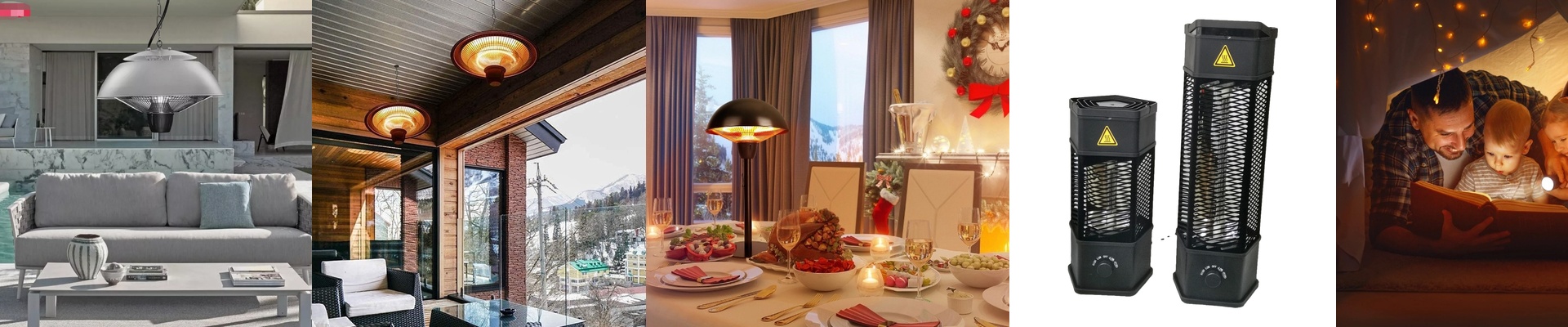
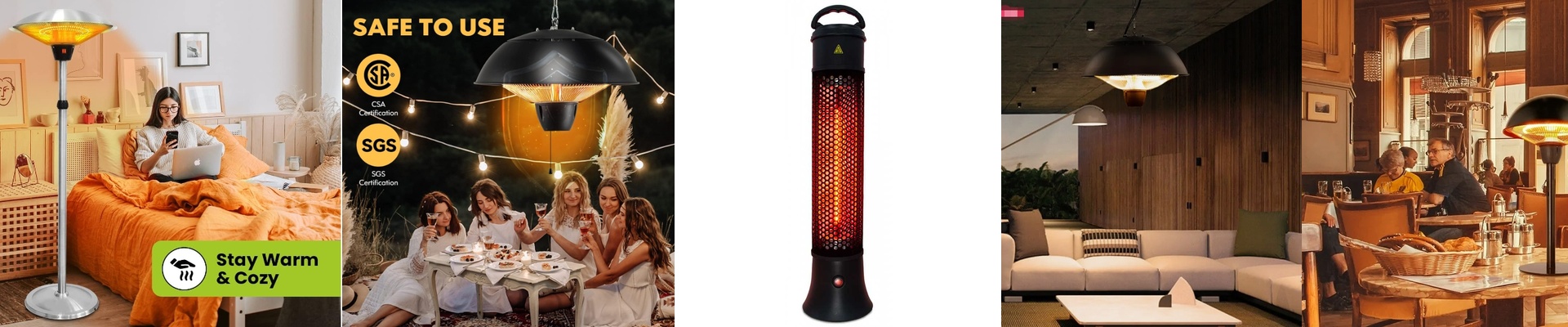
Why a great infrared heater is the quiet hero of any modern office
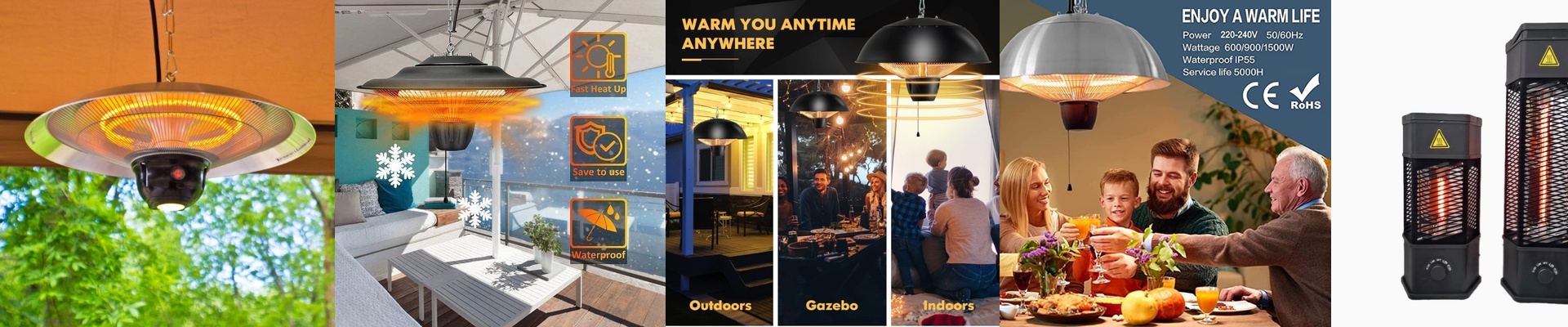
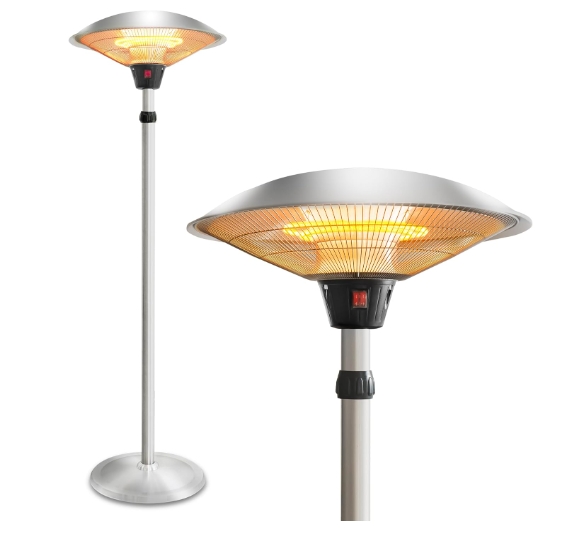
Let’s cut through the noise. We built our umbrella heater to do one thing exceptionally well: deliver direct, radiant warmth to the people in the room—without wasting energy heating empty air. In an office, that’s huge. Winter discomfort and the dip in productivity that comes with it? It usually starts with cold surfaces and drafts. This heater goes right at the source of the problem.
What’s under the hood: power, voltage, and smart sizing
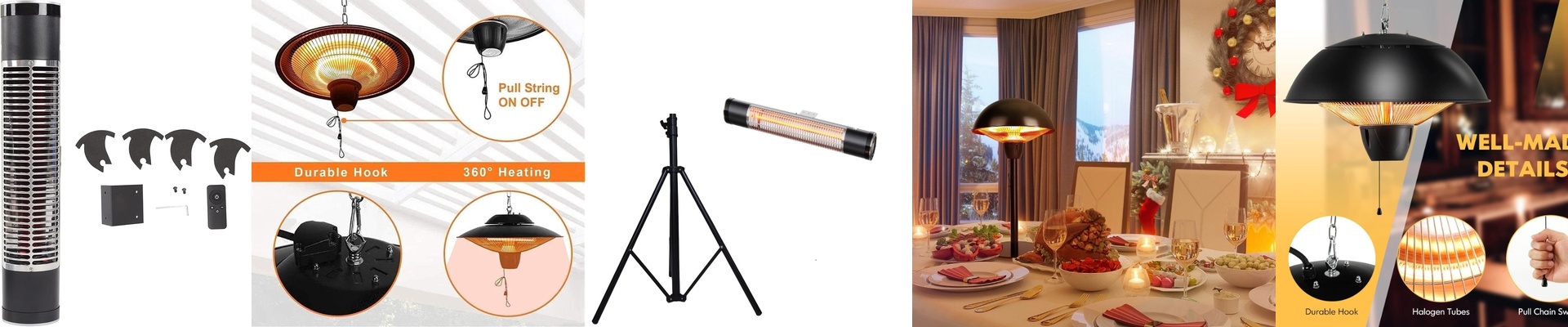
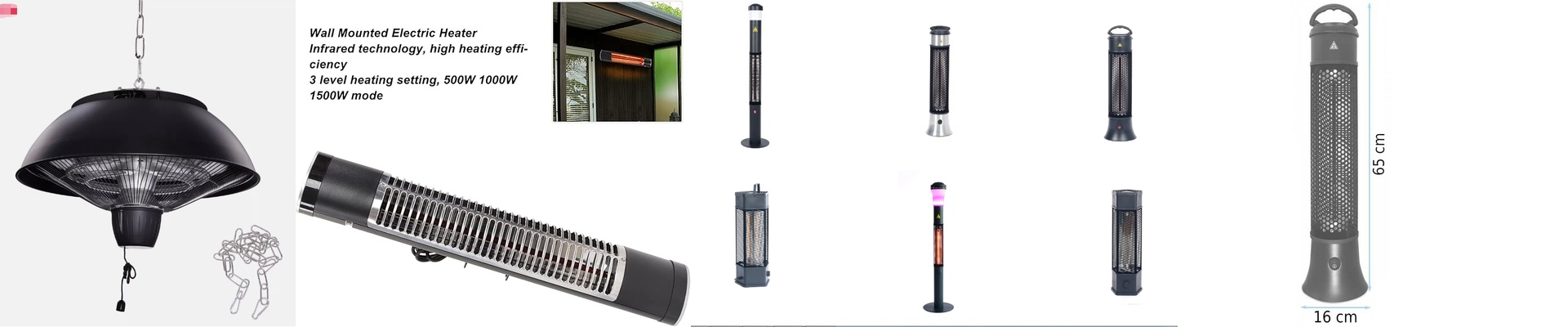
The heart of the system is a high-intensity halogen lamp. It runs on 220–240V and pulls between 800W and 1500W. Why so much punch in such a small package? Because it needs to generate intense heat without taking up floor space. It’s designed to mount overhead and stay out of the way, so you get serious warmth with zero clutter. And the size? Thoughtfully done. It integrates cleanly, gives you coverage where you need it, and doesn’t fight the office layout.
The materials that make it reliable, day after day
We use a quartz envelope filled with halogen gas. Here’s the magic: it keeps the output steady for thousands of hours by fighting filament degradation. The filament actually redeposits evaporated tungsten back onto itself, so the lamp doesn’t dim over time the way a regular bulb does. Then there’s the R7s connector. It’s a deliberate choice—double-ended, built for high current and high temperatures. It’s secure, dependable, and when it’s time to swap a lamp, you can do it fast. No tools. Minimal downtime.
Where it shines—and why your team will feel the difference
This heater really comes alive in open-plan offices and high-traffic areas. It warms people directly, so your desk surfaces and floors stop acting like heat sinks. And that matters. Cold environments put stress on the body. By keeping things comfortably warm where people actually are, you can reduce the number of winter colds that spread through the office. The payoff is simple: a steady, comfortable workspace that supports consistent work.
The trade-off, and how to make it work for you
One thing to keep in mind: this is directional heating. It’s fantastic at warming specific zones, but it’s not designed to create the same all-over ambient warmth you’d get from a convection system. So placement matters. Get it right and you have a targeted thermal solution that keeps people warm—not just the air around them.