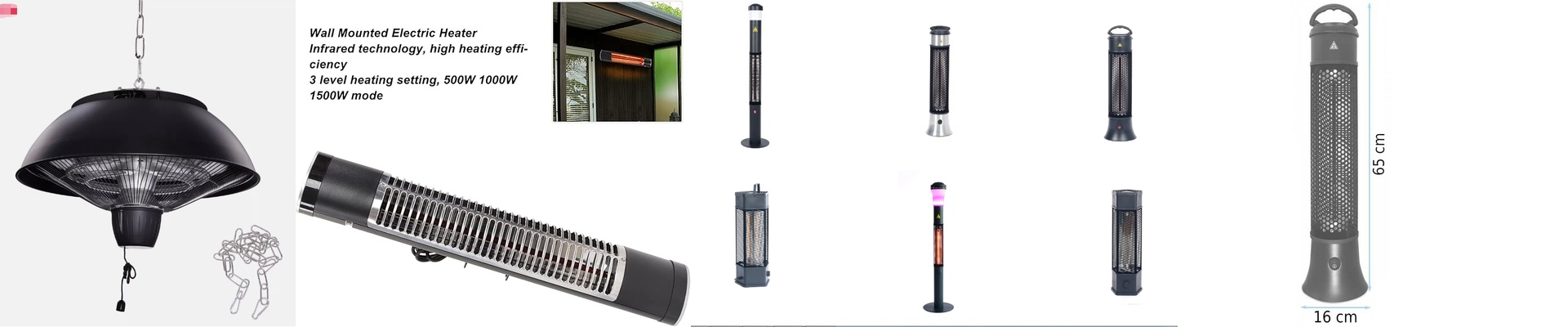

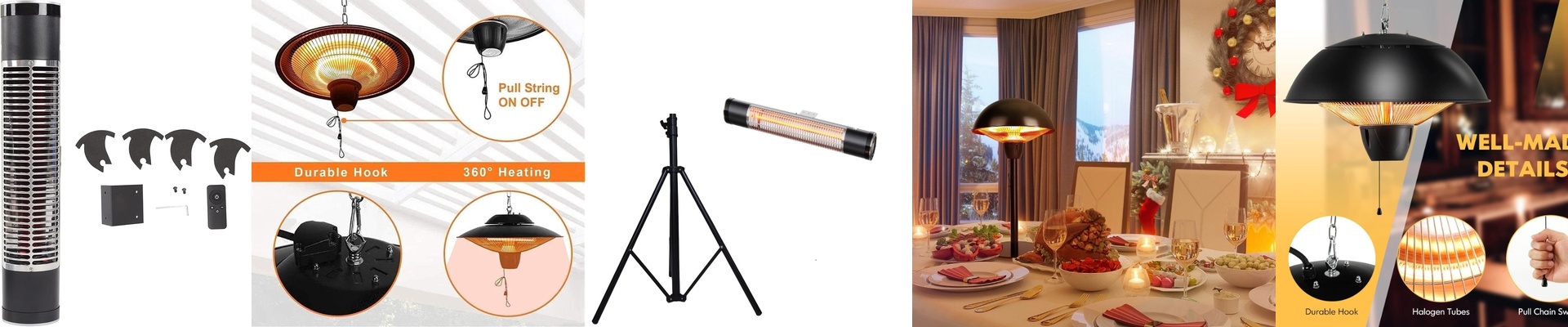
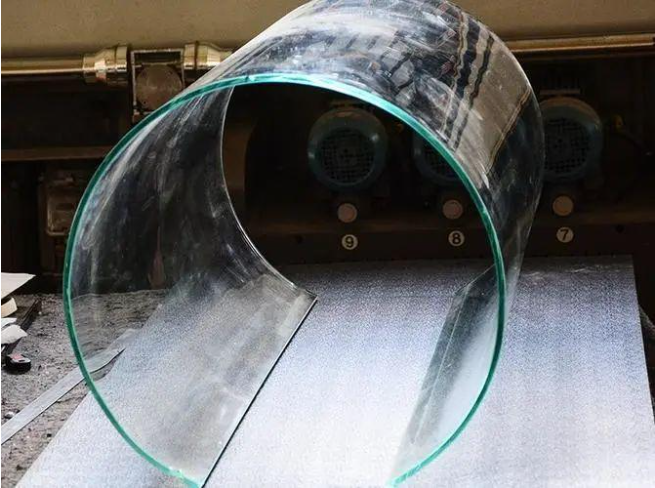
On the glass line, heat isn’t just a number on a chart—it’s control. When the oven can’t hold a clean, even thermal field, you pay for it fast: stress fractures in tempering, sag that won’t repeat in bending, and lamination adhesion that comes up short on EVA/SGP. Yield drops. Cycle time stretches. Energy use climbs. We build infrared glass oven heaters to keep the process stable, shift after shift. What matters under the hood The NIR units use short-wave quartz elements—directional radiation, fast response. Heat goes into the glass, not the air. That gives you a uniform thermal field across the surface, so you don’t fight hot spots and cold spots that drive thermal stress. Response is measured in seconds, which tightens control during tempering and bending ramps, and keeps soak profiles consistent for coating drying and insulating glass sealing. High power density without leaning hard on convection means repeatable heating with less thermal lag. Why this lands on the line In tempering, uniform heat cuts edge breakage and keeps optical distortion in check, while faster response trims cycle time. In bending, controlled radiation makes sag predictable and curvature repeatable—no more chasing temperature swings. In lamination, stable soak profiles improve polymer flow and knock out voids, so rework drops. Insulating glass lines get precise, even heating during secondary sealing, which keeps the desiccant effective and the seal intact. Energy use falls because the heat is targeted and setpoint is held with minimal overshoot. Here is the thing with infrared It’s line-of-sight. Element layout and reflector geometry have to match the glass geometry and emissivity. Expect a short commissioning window to tune power zones and keep localized overheating off coated or low-emissivity glass. On retrofits, confirm mounting, clearances, and terminal connections—many ovens need minor changes to take quartz-based NIR modules. Plan for proper insulation and shielding to protect the sensitive bits.