Introduction
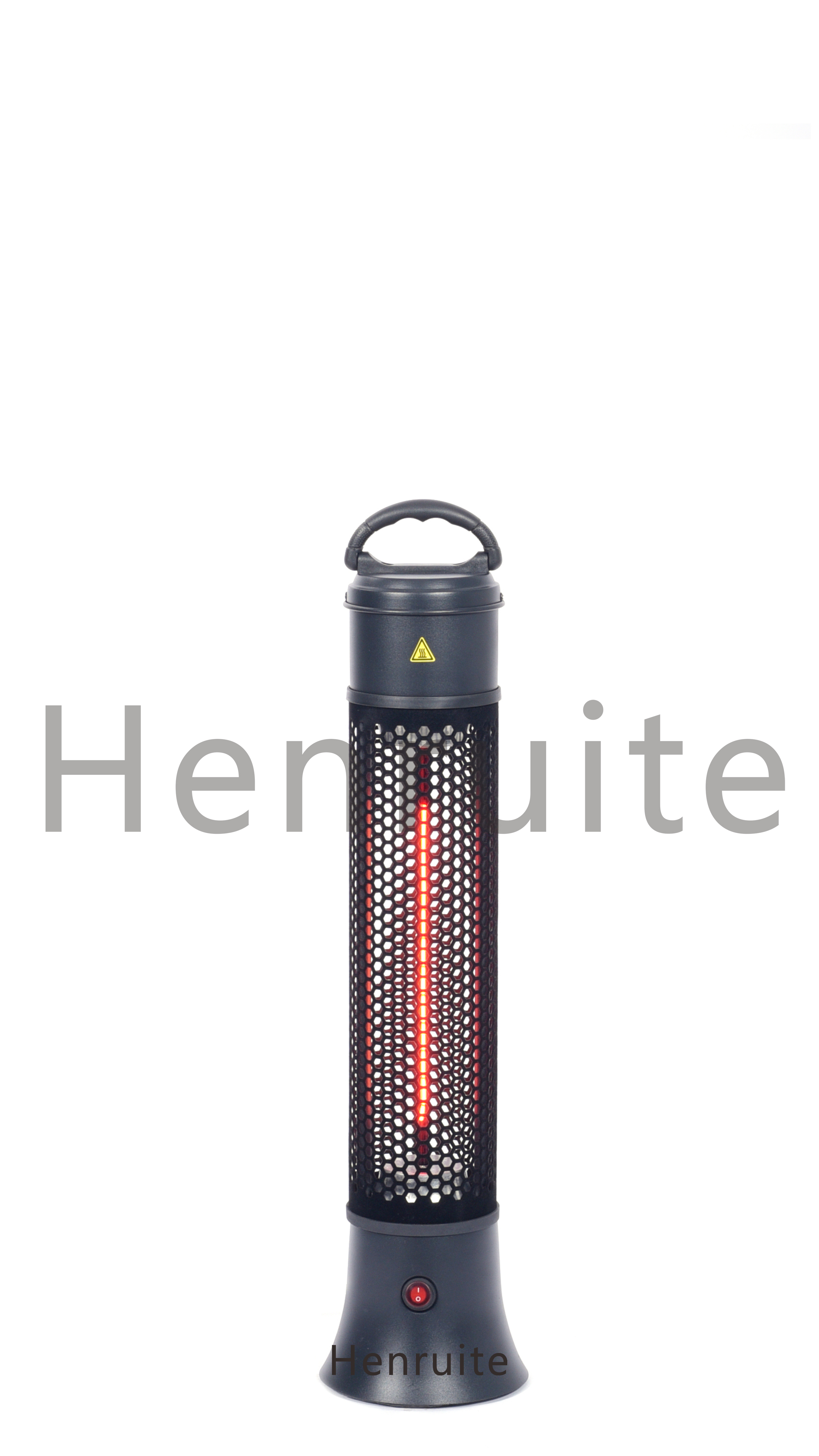
Let’s talk about the Gold Tube Infrared Heater. We built it to be small, but seriously powerful. It’s for those spots where space is at a premium, but you still need serious heat. The whole idea was to make it dead simple to install, keep the output steady, and fit right into modern setups without a fight.
What’s Inside
At the heart of it is a quartz tube. It heats up fast and can take the heat—literally. The gold coating? That’s not just for looks. It bounces the infrared energy right where you need it, so you get more usable heat for every watt you spend. And because the heat is focused, the area around the heater stays much cooler. We matched the power and voltage to what you’re already working with in standard industrial control panels. It runs on common voltage configurations, giving you a reliable, consistent heating profile. And the compact length? That’s a lifesaver in tight spaces—like small ovens, cramped assembly stations, or those process zones where a bulky radiant panel just won’t cut it.
The Build
The quartz tube can handle rapid on-and-off cycles without cracking. Thermal shock? Not a problem. The gold coating is applied evenly, so the heat spreads consistently along the whole length. That means you avoid those annoying hot and cold spots on your target. We also gave it an R7s connector—a simple, two-pin setup that makes this heater a direct swap for many existing fixtures. Wiring it is straightforward, with clear polarity and a solid connection that stays put. And when it’s time for maintenance, you just swap the tube. No need to rewire the whole thing.
Why It Works
This heater was made for engineers who need heat they can count on, a quick start, and as little downtime as possible. It hits operating temperature fast, which cuts down on warm-up time on the production line. Because the infrared heat is focused, it goes right where you need it. That can mean you don’t have to waste energy heating an entire room. But here’s the thing—high heat density means you need to plan for cooling. The equipment around it needs to handle the temperature rise, and the fixture needs enough space and airflow. Think of the cooling path as part of the design, just like the heating path. The slim profile isn’t about aesthetics. It’s about fitting in. It slides cleanly into modern systems, which means less redesign work and keeps your machine footprint as tight as possible.
Real-World Use
We built this for engineers who want predictable heat, a fast start, and less hassle with maintenance. The quartz body handles rapid cycling, so you can keep up with changing production schedules without putting stress on the element. And that gold coating? It keeps the energy focused on the target, which means more consistent results and less wasted heat bouncing around the enclosure. That R7s connector makes it a drop-in replacement in a lot of fixtures. You wire it once, and the connection holds up, even with vibration and temperature swings. That means less time spent on service calls and quicker replacements when a tube finally needs changing. Just remember, all that power has to go somewhere. You need to design the machine to handle the local heat and make sure there’s clearance for airflow. Plan your thermal budget from the start, or you’ll shorten the life of the components. The compact size lets you integrate it cleanly, so you can keep your equipment sleek and modern without sacrificing heating performance.