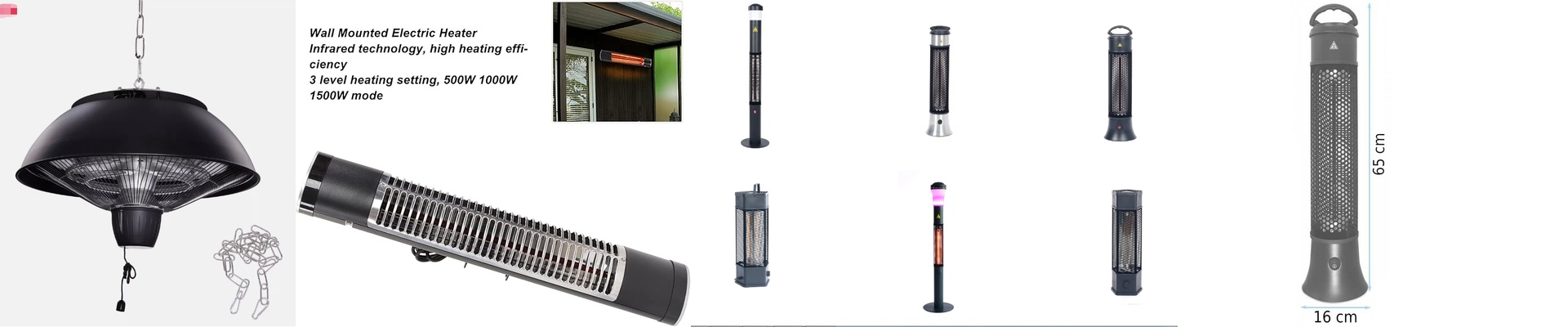
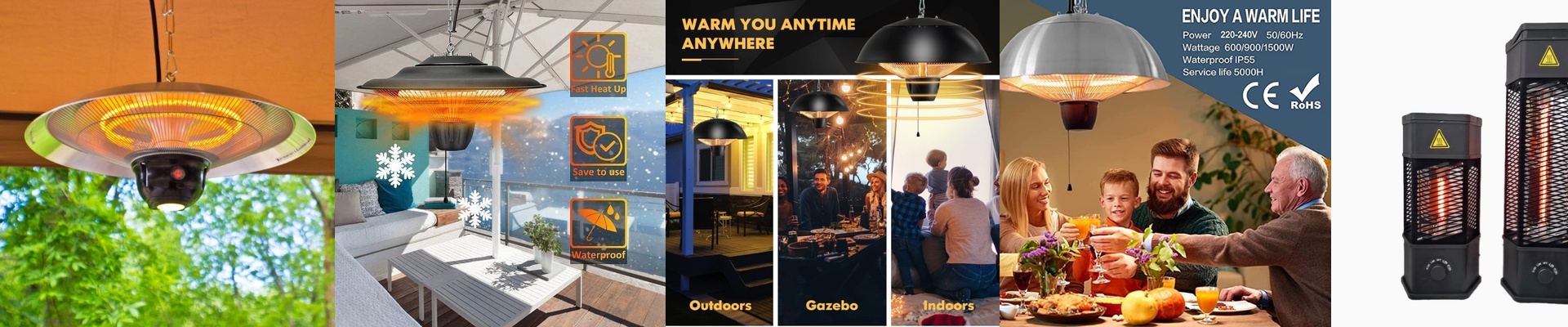

A Real-World Guide to Getting Your Wall-Mounted Patio Heater Right
Let’s talk about wall-mounted infrared patio heaters. They’re not just about creating a cozy vibe. These things are workhorses, designed to put heat exactly where you need it. The whole point? Keeping a specific spot warm without wasting energy trying to heat the entire outdoors. And it all starts with getting the power right.
Power and Placement: It’s All About the Space
Here’s the thing about infrared heaters: they work by radiation. They warm up people and objects directly, not the air around them. That changes how you think about power. Most of these units run on a standard 220V-240V outlet, pulling between 1500W and 2000W. That kind of punch is what it takes to deliver real warmth over a specific area. But the right power for you depends on your space. A south-facing patio with good glass keeps heat in, so you can get away with a lower wattage. A north-facing deck that’s always battling the wind? You’ll need the full power. And if the wall you’re mounting on has poor insulation, that heat is just going to bleed away, forcing the heater to work overtime.
What’s Inside: The Engine of the Heat
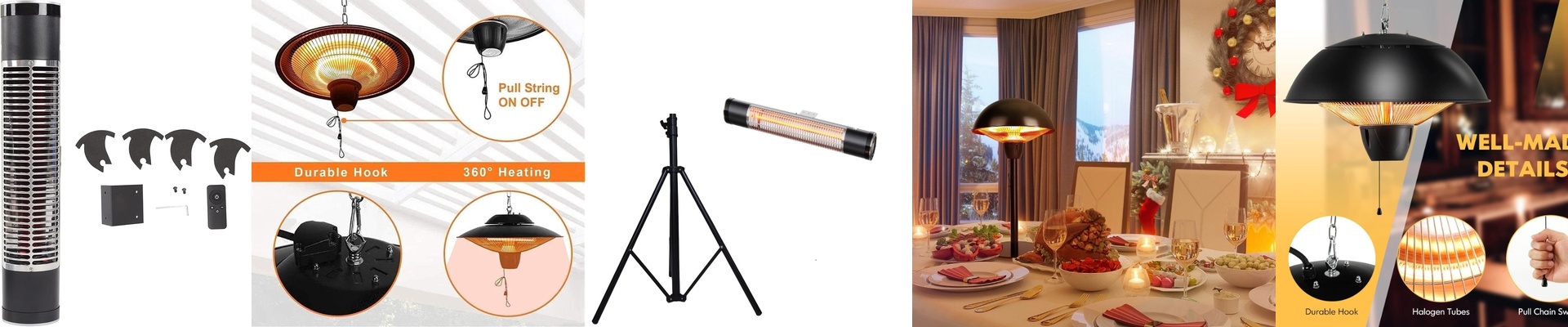
Inside, you’ve got a quartz tube with a halogen filament. The halogen cycle is what keeps that filament stable at crazy-high temperatures, so it doesn’t dim over time. This means the heater comes on almost instantly—we’re talking seconds, not the long wait of other heaters. And the mounting? It’s designed to be simple. We use standard connectors so you’re not wrestling with a complicated install. The wall bracket is built to hold the unit securely, so it stays put even when the wind is kicking up. It’s tough. Built for the job site, the workshop, or your backyard.
Where They Shine (And What to Watch For)
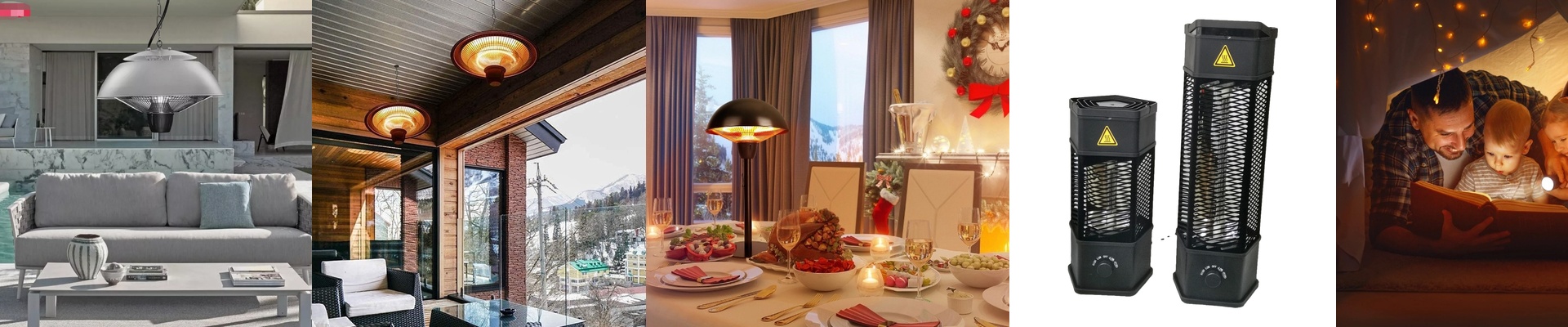
These heaters are made for outdoor and semi-enclosed areas. Patios, workshops, loading docks—anywhere you need direct, focused heat. Being wall-mounted means you save floor space and keep the heat source out of the way. But there are a couple of things to keep in mind. A 2000W unit puts out serious heat, but it also pulls serious current. You absolutely need to make sure your circuit can handle the load. Also, because the heat is radiant, it needs a clear line of sight. If something gets in the way, you get a cold spot. So, you have to plan your mounting height and angle to make sure the warmth covers the area you want. That’s why we’ve built in tools to help you figure out the right power and placement for your specific setup.
The Stuff That Makes It Last
The quartz tube is the heart of the system. It has to handle intense heat and sudden temperature changes. We use a heavy-duty tube that can take a hit and won’t crack from the constant on-off cycling. The halogen gas inside is crucial, too. It protects the filament, so the heater keeps putting out consistent warmth for thousands of hours. Then there’s the reflector. It’s usually made of anodized aluminum, which is highly reflective and won’t corrode. Its job is to focus all that infrared energy forward, right where you need it. This makes the heater more efficient and less wasteful.
The Real-World Payoff
In the real world, these heaters solve a specific problem: keeping a local area warm when the temperature drops. They deliver heat almost instantly, which is a game-changer for comfort and safety in outdoor work areas. And because they’re mounted on the wall, they’re secure and out of the way. The best part is the control. You’re not wasting energy heating the whole atmosphere, just the people and things in the beam. This approach uses less energy than trying to warm a giant volume of air. But, the trade-off is real. Radiant heat only works on what it touches. So you have to plan the layout to avoid shadows and make sure everyone gets even coverage. Getting the power right for your space’s orientation and insulation isn’t just a good idea—it’s essential for making the whole thing work.