
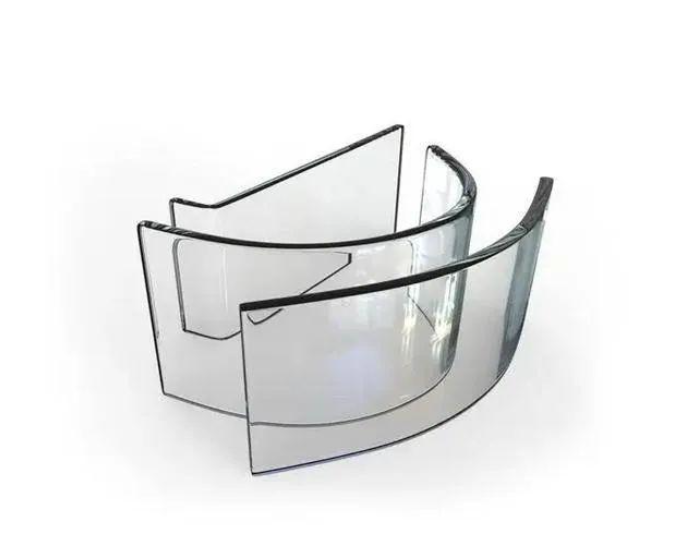
On the glass line, heat isn’t just a setting—it is the process. Let the thermal profile drift during bending, and the glass warps. Uneven preheat in tempering? You’ll pay for it with breakouts from stress concentrations. Slow lamination cure? Throughput bogs down and bubbles show up. Infrared gives us direct, immediate control over the one variable that drives all of it. What matters, technically We build our infrared modules around short-wave quartz emitters—fast response, high power density. Energy hits the glass surface directly, not the conveyor or the frame, so we ramp temperature quickly without turning the plant into a sauna. Output is configurable to match line speed and glass thickness, and we shape the irradiance profile to get a uniform thermal field. Uniformity matters because glass fails when thermal gradients set up stress. And the control is repeatable: setpoints hold within tight tolerances, and the emitters switch on and off in seconds, keeping pace with tempering furnaces and lamination presses. Why it works where we run it In bending, infrared delivers the quick, localized heat you need to push glass into tough shapes without scorching the edges. For tempering preheat, the rapid rise shortens the gap between cutting and quenching, which frees up furnace capacity. In EVA/SGP/PVB lamination, the heat penetrates evenly through the stack—drives out entrapment and finishes the cure without overheating the interlayer. For coating drying, infrared sets the film surface immediately, so you limit dust attraction and avoid trapping solvents. The payoff is fewer rejects, stable cycles, and lower energy draw compared with convection-heavy setups. Here is what you need to keep straight Infrared is line-of-sight, so geometry matters. Thick low-e coatings can reflect or absorb differently, which means you need a tailored irradiance map and tuning that accounts for emissivity. Installation demands clear access and proper thermal isolation, and reflectors have to be aligned to prevent hot spots. Plan on routine cleaning of quartz tubes and regular calibration checks to keep the profile consistent. Get those basics handled, and the module drops into existing lines with minimal rework and runs reliably shift after shift.