
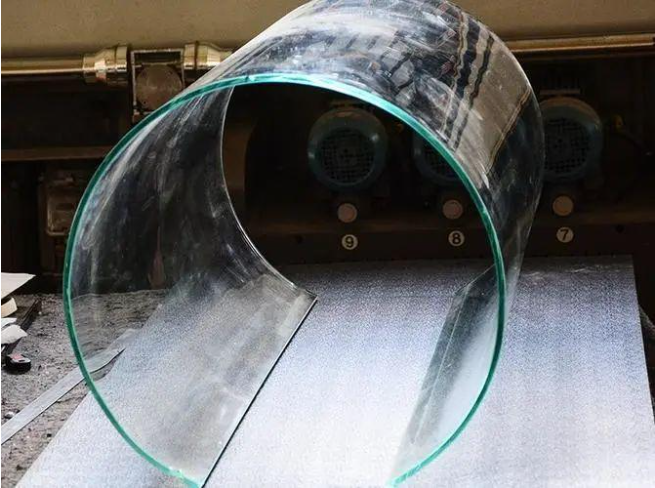
Why Your IR Lamps Are Killing Your Marine Glass Quality
If you’re tempering glass for marine use, you know the stakes are high. One wrong move with your thermal profile and you’re looking at a pile of scrap. The real culprit? Cold spots. When your heating lamps aren’t putting out the same amount of heat across the furnace, you get these uneven patches. Then comes the quench. That’s where the trouble starts. The stress doesn’t distribute evenly, and suddenly you’ve got a batch that fails safety specs. It’s frustrating, and it’s expensive. The hidden headache of “wattage drift” Here’s the thing: most batch instability comes down to the lamps themselves. I see it all the time. An engineer will mix different brands or throw a couple of aging lamps into a bank of new ones. On a spec sheet, a 5% difference in power looks like nothing. In the real world? It’s a disaster. It creates temperature gradients across the glass that you just can’t ignore. When you use high-consistency IR lamps, every single inch of that glass gets the same hit of heat. The best part is you don’t have to “over-fire” the furnace just to make sure the weakest lamp is doing its job. That means you stop overheating the rest of your load. Getting the hardware right To get those temperatures up fast, you need high-wattage shortwave IR tubes. They pack a serious punch. But you’ve got to make sure your power supplies actually match the lamp’s voltage—usually 230V or 400V. And please, if you’re swapping these into an old rig,check your connectors. Whether you’re using R7s or Sk15 bases, a loose fit is a nightmare. It creates resistance, the terminal heats up, and before you know it, you’ve burnt out the socket. The trade-off you need to watch High-output lamps are great because they’re fast. But they’re aggressive. The more heat you shove into the glass, the more heat leaks into the furnace frame itself. If your cooling fans or water jackets aren’t up to the task, you’re going to warp your supports. It’s a pain, but it’s worth taking a look at your ventilation before you upgrade to higher-density IR banks. Better to spend an hour auditing your fans now than a week fixing a warped frame later.