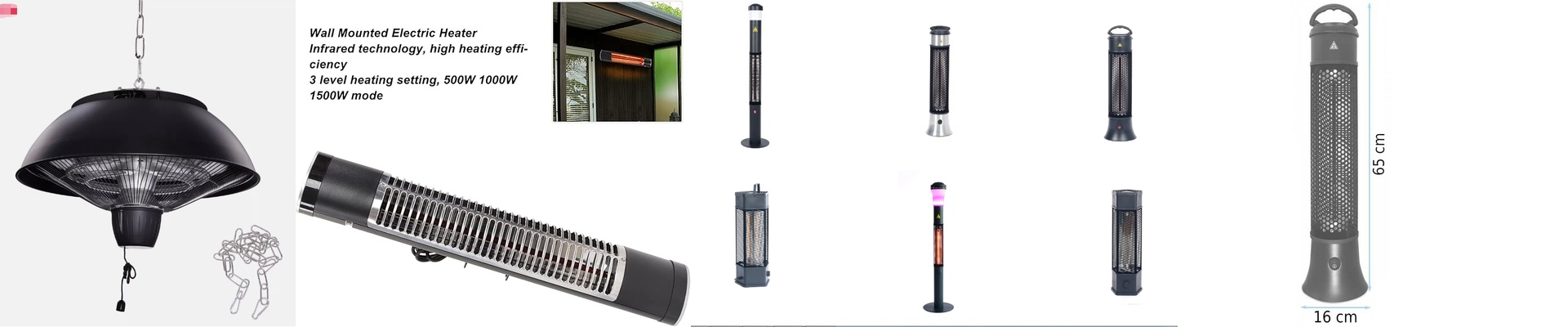
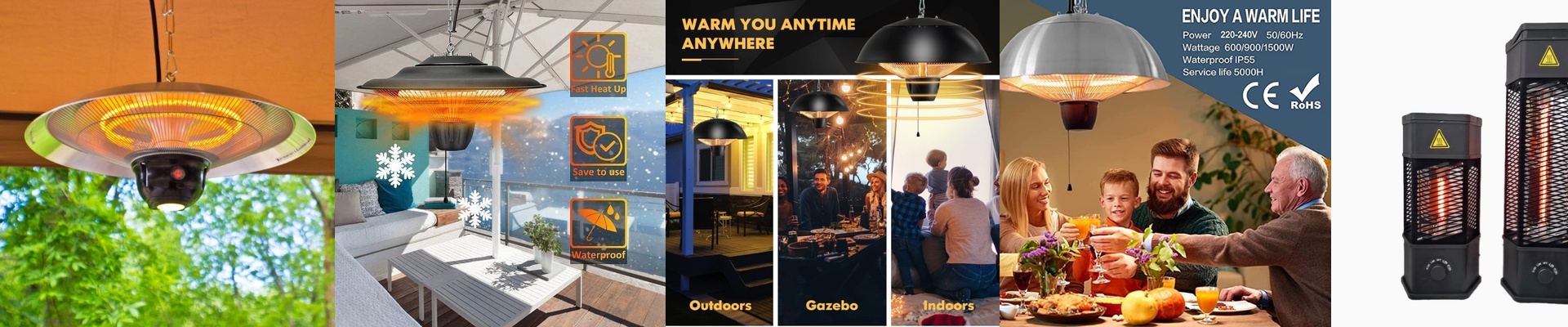
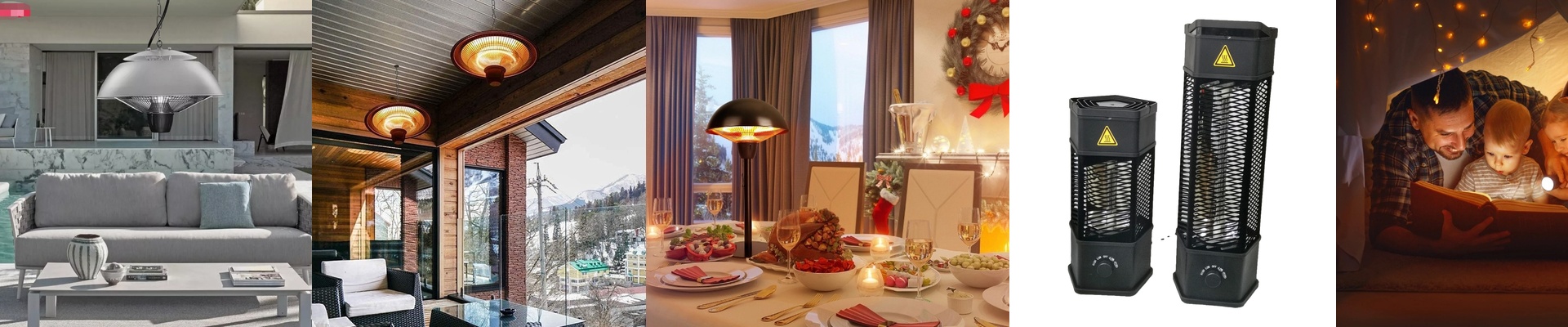
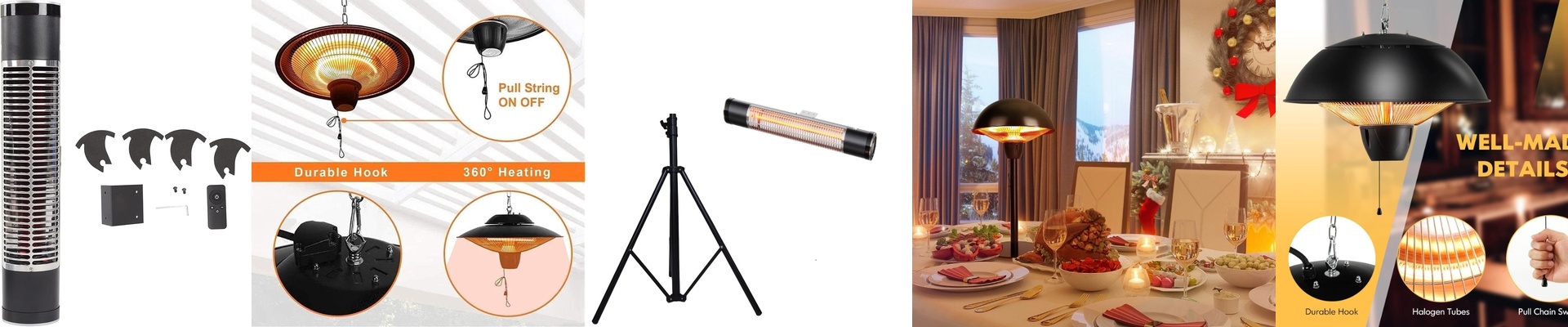
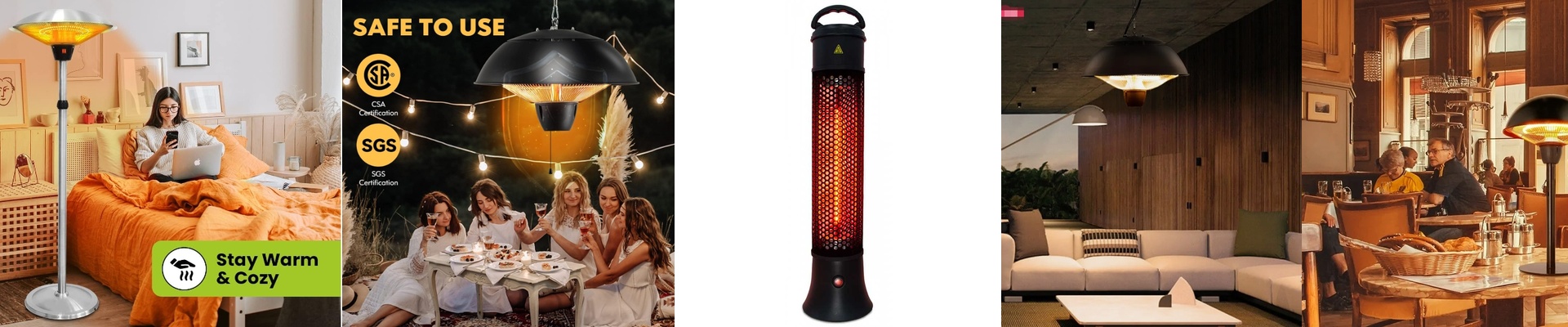
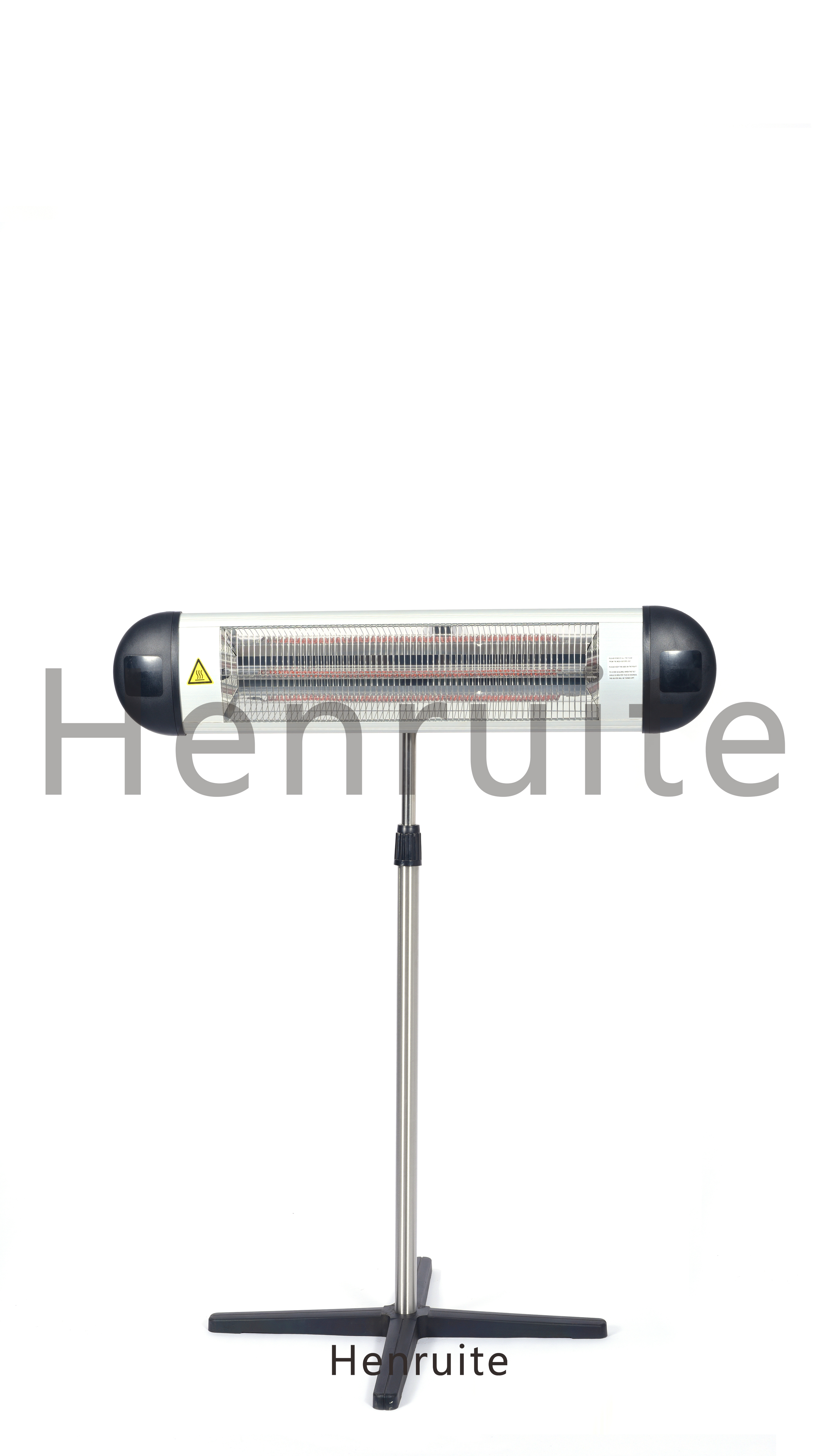
When your smart-home system is chasing comfort, the heating has to keep up—without throwing watts down the drain. Standard heaters hang onto heat long after you switch them off, forcing the controller to overshoot and waste. The fix is a portable industrial heater built around a low-inertia infrared element. It throws instant radiant warmth and cuts out the second you do, giving your control loop a clean, fast response. What matters under the hood We run a carbon-fiber infrared element that comes up to full output almost immediately. Low thermal mass means it heats fast and cools fast, so the thermostat isn’t playing catch-up with a lagging temperature. The payoff is tighter control and fewer on-off cycles that spike energy use. You get a built-in thermostat and a standard 120V plug for easy integration, while the stable housing and tip-over protection keep operation safe. Why this plays so well in a smart-home setup? Because comfort and low electricity use are the goal. Low-inertia infrared warmth targets people and objects directly, not the air. So you can hold the ambient temperature lower and still feel cozy, which cuts energy use right there. The fast response lets the controller make small, precise adjustments instead of big swings—smoothing demand and keeping bills in line. A couple of practical notes. Infrared is directional, so placement matters. Put the heater where people actually spend time, and keep the path clear. It’s built for indoor and sheltered outdoor spots, but it’s not the right tool for heavy wind or driving rain—check the IP rating for the environment. And while the element itself is low-maintenance, make sure the control wiring matches your smart-home controller so everything behaves cleanly.