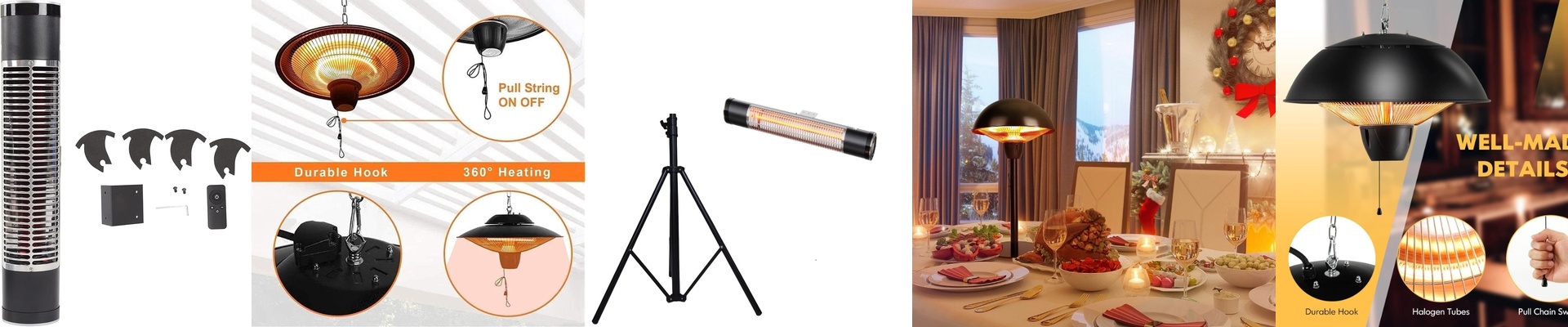
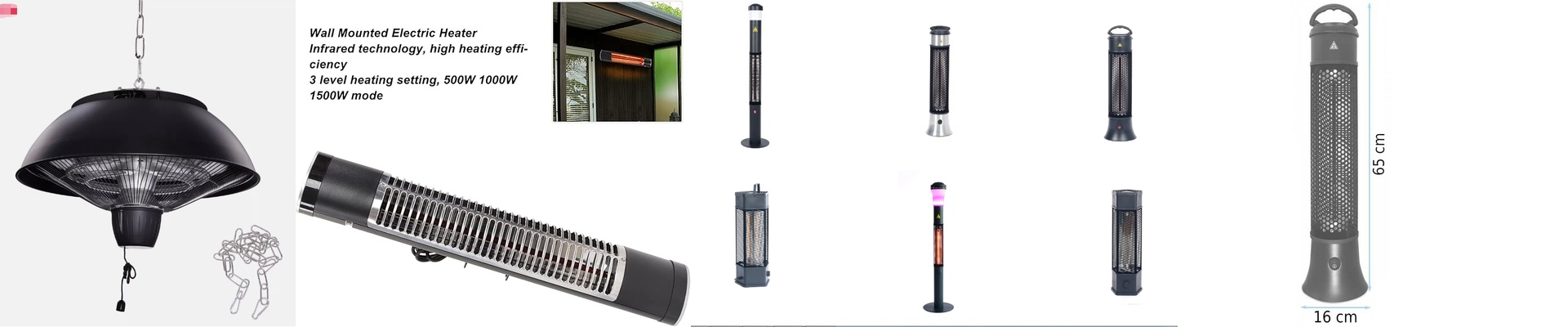
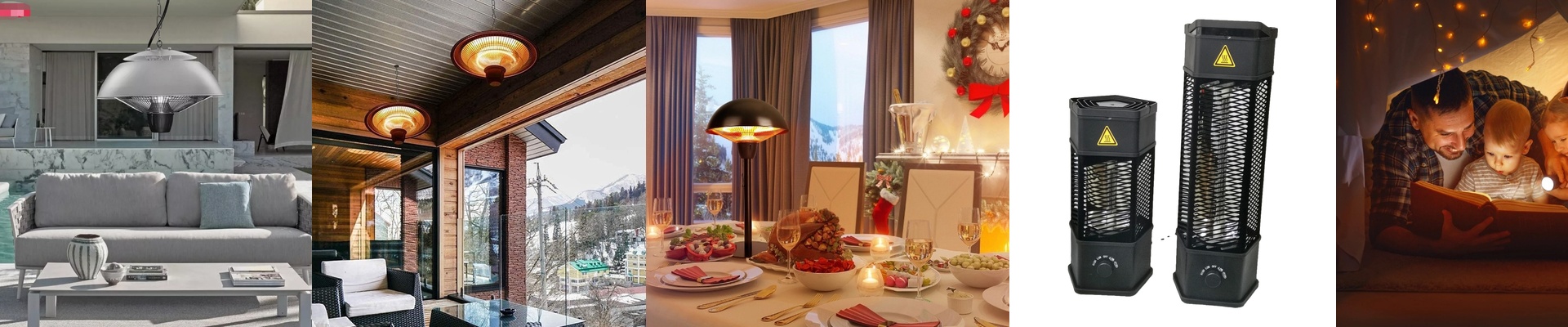
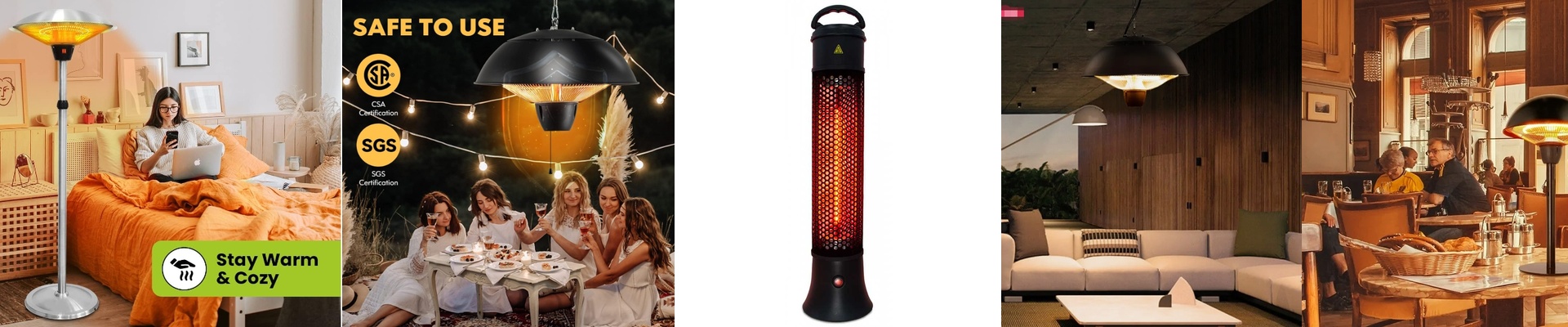
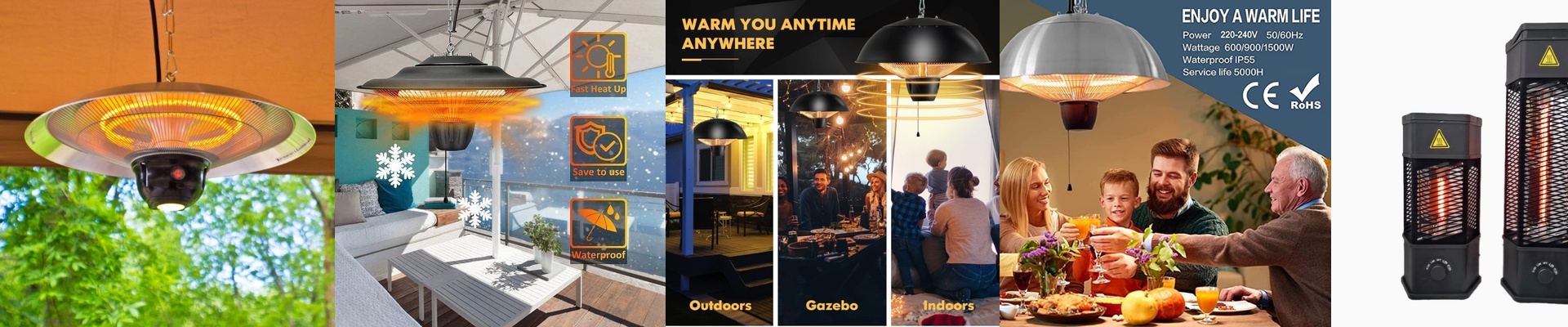

Step onto the shop floor with me. Every choice we make here carries through to the finished heater. Before a quartz tube ever gets sealed, we verify material purity and traceability, sticking with recyclable metals and low-halogen parts. The aim is straightforward: deliver infrared warmth without cutting corners on the environment. What’s actually going on under the hood Our quartz electric heater uses a quartz tube element that throws short-wave infrared, turning almost all the input into radiant heat. It warms people and objects directly, not the air, so you feel comfort within seconds. Most units run on standard 120V or 240V, with output matched to the spot you want to heat, and they’re wrapped in a durable housing with tip-over protection. An integrated thermostat keeps things steady, and the IP rating makes them right for covered outdoor areas. Why this approach holds up in the real world From sourcing to shipping, we track energy use, solvents, and waste, then share the numbers. What that means for you is a patio heater that feels immediate, clean, and quiet—no fumes, no open flame. Infrared warmth helps circulation and eases muscle stiffness on cool evenings, and because the heat is directional, you can settle into a favorite corner without heating the entire yard. Power stays focused where you need it, and the long-life element means fewer replacements. The details that matter on the job Quartz infrared delivers fast radiant heat, but it’s a spot heater at heart. For full-room comfort, pair it with a convection unit. Installation is straightforward, but you still need a dedicated outlet and a weatherproof route for the cord. In damp spots, pick a model rated for the exposure and keep the heater shielded from direct rain.