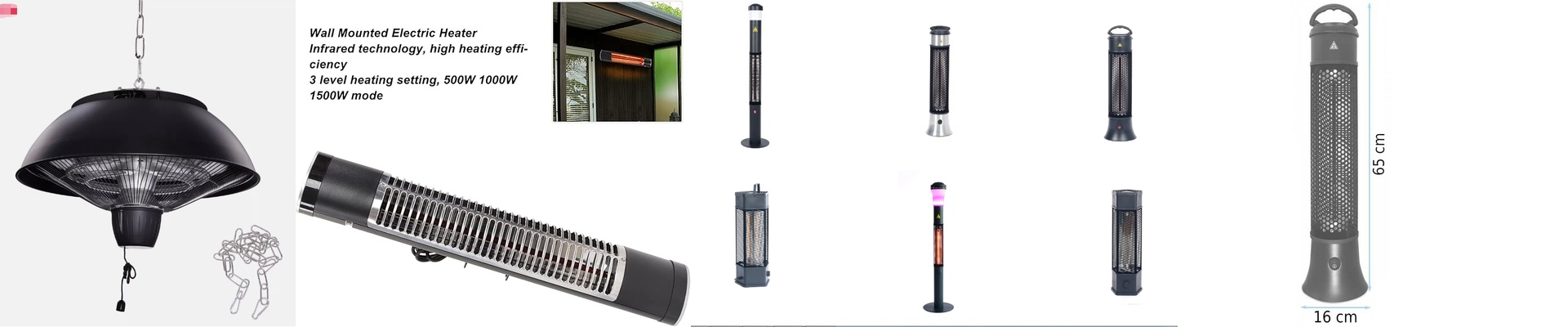

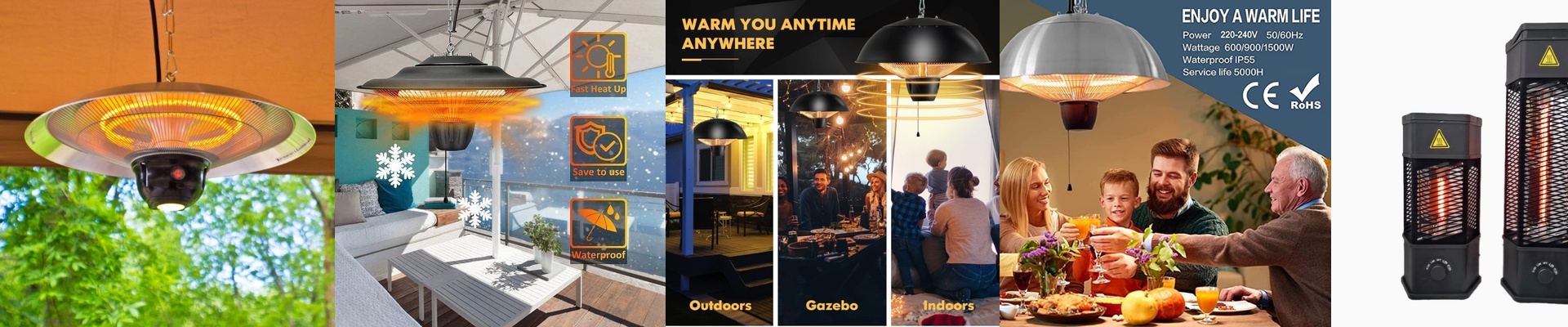



Nobody should have to negotiate with a cold floor every morning. The new smart infrared electric heaters are built on a straightforward principle: warmth that reads the room before you have to. They don’t chase air around. They deliver radiant heat that travels straight to people and surfaces, so comfort shows up fast—and quietly.
What’s actually under the hood
Inside, you’ve got an efficient infrared heating element—usually a carbon fiber or quartz-based design—mated to a responsive thermostat and some environmental sensing. The heater watches conditions and trims output to hold steady warmth, instead of swinging between too hot and too cold. Most models run on standard household voltage, wire up with common connections, and put the heat right where it’s needed: under desks, in living areas, or in those stubborn spots where floor-level chill just won’t quit. You get localized comfort with far fewer drafts.
Why this works in a home
Comfort isn’t just about air temperature. It’s about how quickly you feel warm and how consistently it stays that way. Radiant warmth cuts through the shock of cold floors, helps muscles loosen after a long day, and keeps living spaces usable even when the rest of the house is cooler. With adaptive control, the heat responds to real conditions, which can mean steadier comfort and more thoughtful energy use.
The details that matter
Match the heater to the room size and layout, and give it a dedicated circuit. That’s the only way to get safe, reliable performance. Because infrared warms objects and people directly, the room can feel warmer than the air temperature suggests—so take a minute to dial the settings to your habits. Keep clearances clear around the unit, and check local electrical codes before you run the wiring.