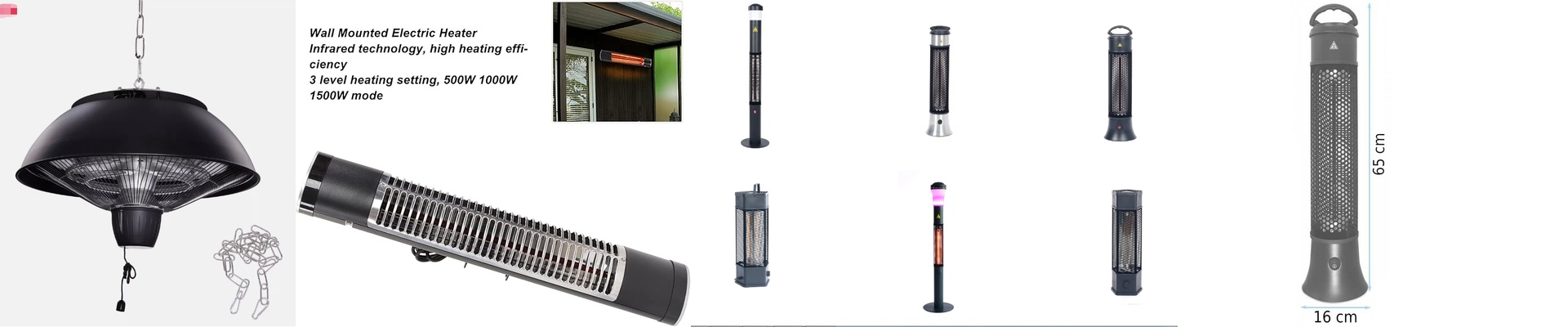

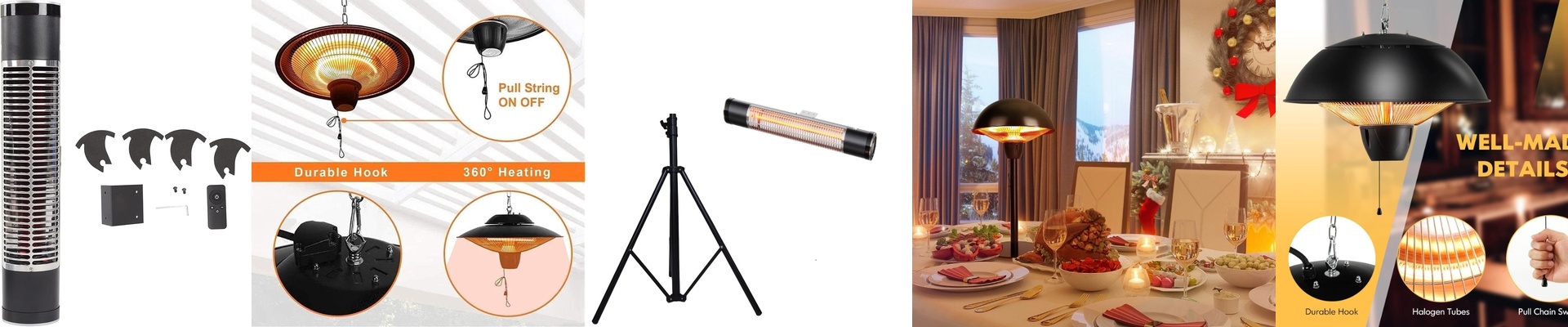

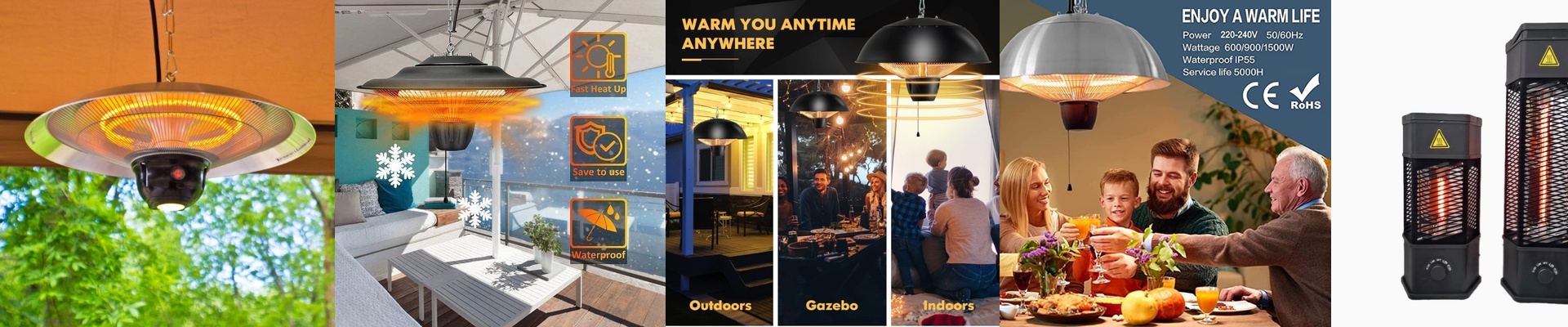
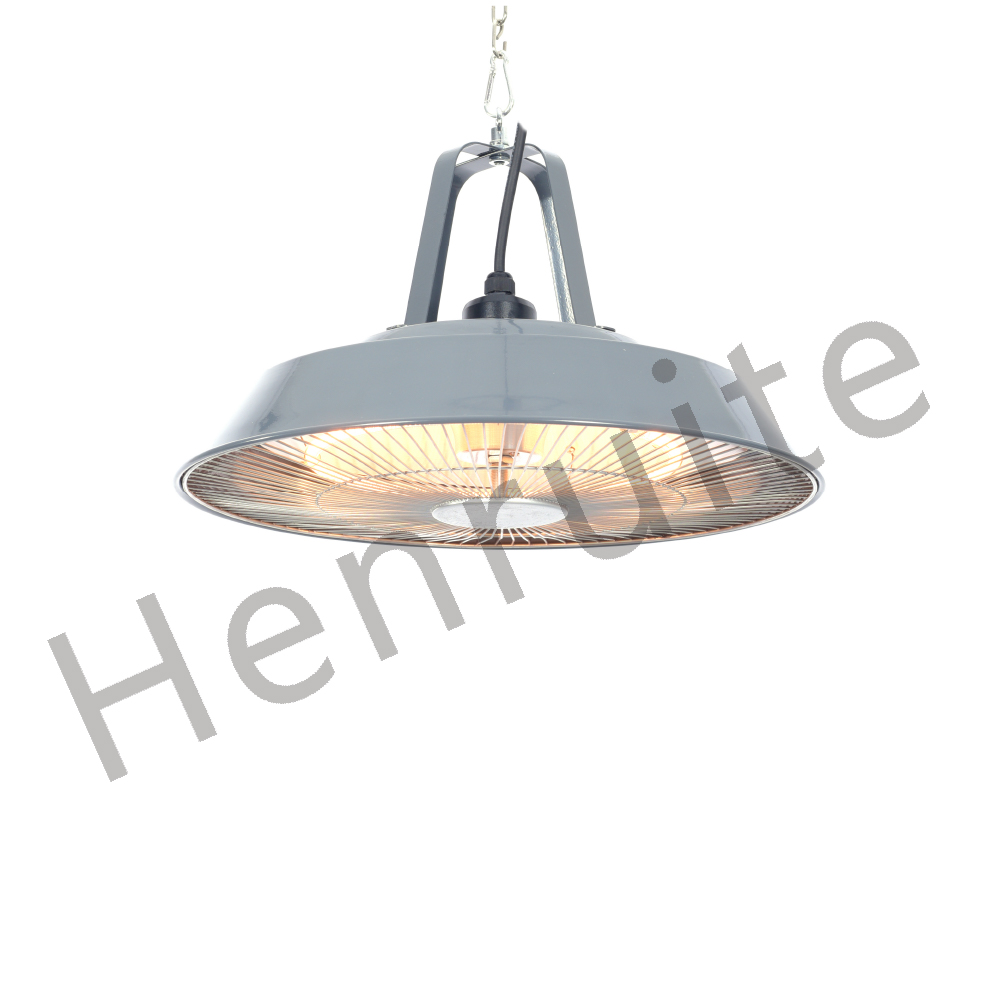
Stop Fighting Your Ceiling Heaters
Most factory heaters get installed and then basically ignored. Everything is great until five years down the road when a heating element finally gives up the ghost. If you’ve got one of those old-school, hard-wired systems where everything is welded into one giant hunk of metal, you’re in for a bad time. You’re looking at hours of downtime and the headache of renting expensive scaffolding just to swap out a single tube. It’s a nightmare.
A Better Way to Handle Repairs
We decided to fix this by building our heaters with a modular setup. Instead of permanent fixtures that require a blowtorch to remove, we use quick-release housing and standard connectors. When a tube burns out, you don’t have to rewire the entire unit. You just pull the dead module out, slide in a new one, and lock it in place. It turns a grueling half-day project into a ten-minute job. You can get right to the elements without having to tear apart the main supports of the heater.It’s just easier.
The Trade-off (Because Nothing is Perfect)
Now, here is the honest part. Modular designs mean more connection points than a single welded piece. That means your contacts have to be tight. In a high-wattage infrared system, a loose connection creates a hotspot, and those can actually melt your housing. To stop that from happening, we use heavy-duty terminals. But you still need to double-check your torque specs during your yearly maintenance. It’s a small price to pay for not needing a crane every time a bulb pops.
The Bottom Line on Cost
Look, filaments degrade. That’s just physics. You’re going to be replacing tubes every few years regardless of who makes the heater. But by going modular, you kill the labor costs that come with those complex teardowns. Your maintenance crew can handle the swap with basic tools. Your floor stays warm, your production lines keep moving, and nobody has to spend their Tuesday fighting with a chassis in the rafters.