Getting Low-E Glass Heating Right When You’re Going Wide
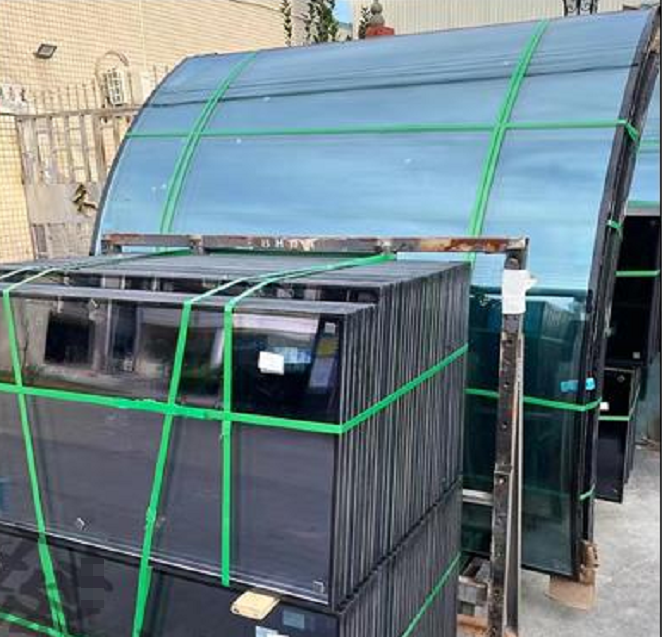
If you’re working with wide-format Low-E glass, you know the struggle. Getting a consistent heat across the whole sheet is hard enough, but once you push past 3 meters? That’s where standard, off-the-shelf lamps just stop working. You end up with cold spots that mess up your quality. That’s why we build custom continuous infrared units. We basically bridge those gaps so the heat is even from edge to edge. The struggle with power and length Scaling a lamp up to 3+ meters isn’t as simple as just making it longer. You start fighting voltage drops and thermal expansion. We handle this by dialing in the exact wattage-per-centimeter. It’s a balancing act. You want the glass to hit its target temperature quickly, but you don’t want to fry one section while another is still lukewarm. Just a heads-up: if you go for high-wattage to speed things up, double-check your wiring. You don’t want to be the person who trips the breakers in the middle of a shift. The nuts and bolts of the build We use high-purity quartz glass because lehr operations are brutal on materials. Thermal shock is a real killer. For Low-E work, the wavelength has to be just right for the coating. We play around with specific filament alloys and quartz thickness to make sure the tubes don’t just snap under their own weight. Here’s the tricky part: long tubes love to sag. If the filament touches the quartz wall, you get a “hot spot,” and then you’ve got a problem. We fix this with reinforced mounting brackets that keep everything dead straight. Making it work on your floor These units are designed to be drop-in replacements. They fit right into your existing lehr frames, and we use industrial connectors that actually stay put—no rattling loose when the machines are humming. But let’s be real about the risks. A 3-meter lamp is basically a giant glass noodle. One clumsy bump from a tech during maintenance and the whole thing is toast. My advice? Set up a strict handling protocol. Keep a stash of spares right there on the shop floor. It’s a lot better than staring at a dead line for hours because you’re waiting on a shipment. Also, don’t forget the airflow. The heat density in a wide-format zone is intense. If your ventilation isn’t up to snuff, you’ll end up cooking your own control electronics.