On the slumping line, the clock is your enemy. Every extra minute the oven spends climbing to setpoint drags the whole cell down with it. Convection ovens are notorious for taking their time to stabilize, and when the thermal field lags, you pay for it in uneven sag—stress cracks, optical distortion, and rework that chews straight through your margin. What you need is heat that comes on fast, holds steady, and lands right where you want it.
What matters, technically
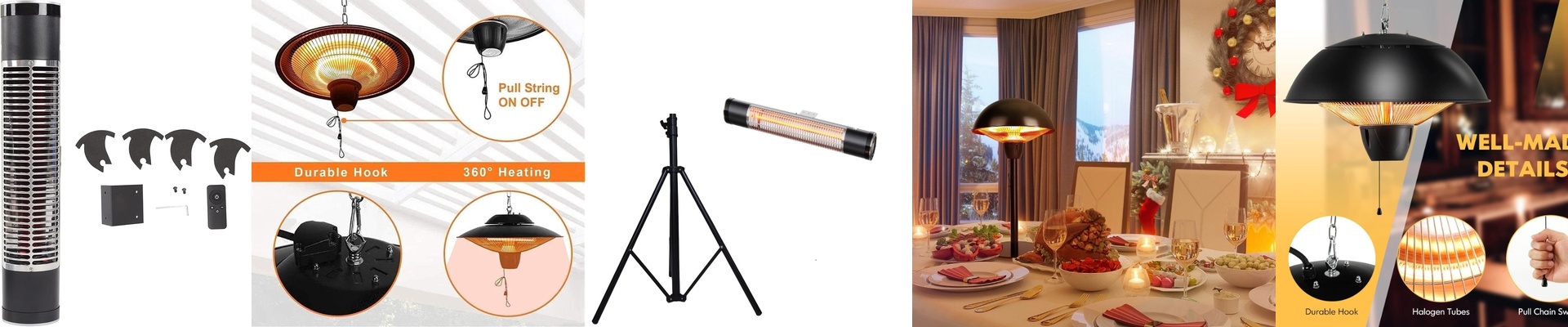
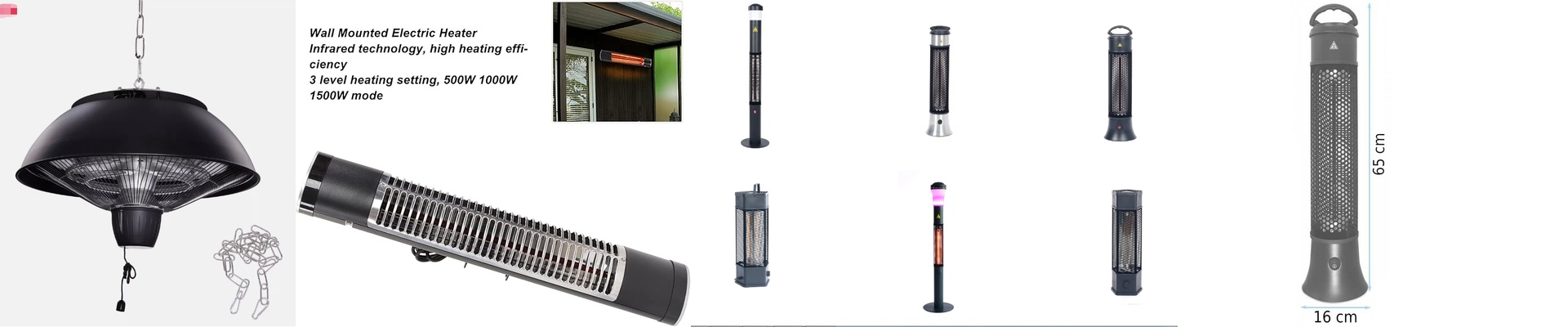
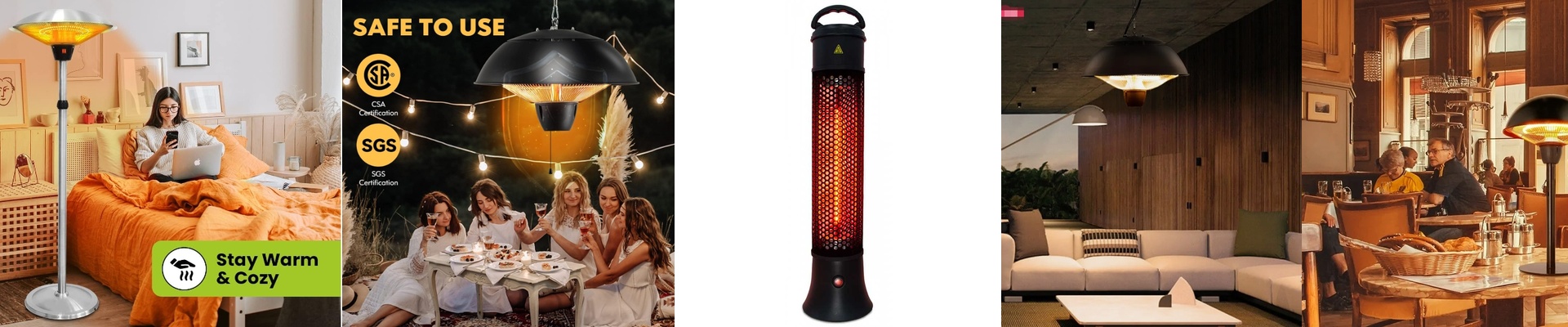
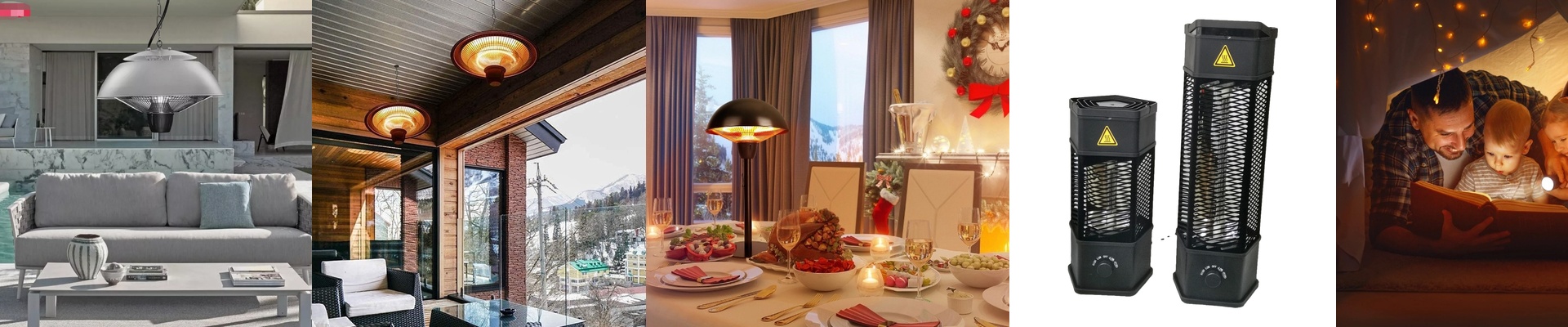
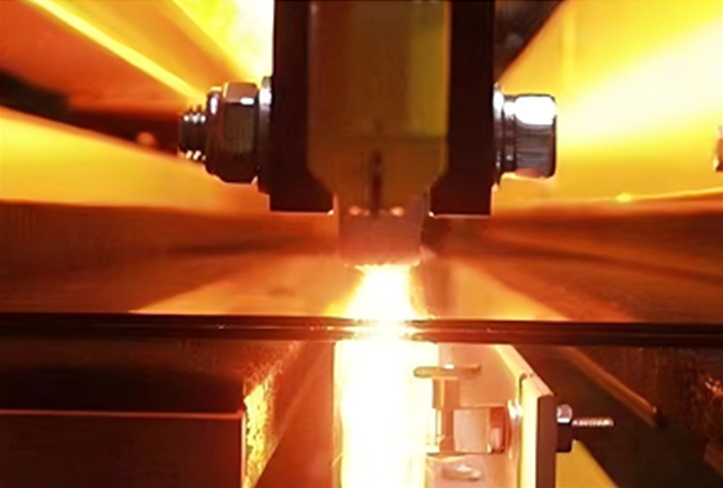
We built these infrared lamps for glass slumping around short-wave NIR elements in a quartz envelope, tuned for rapid, directional heating. The system delivers high power density with low thermal inertia, so the hot zone hits setpoint quickly and recovers fast after door cycles. The output is matched to glass emissivity in the slump window, so the energy goes into the sheet, not the air. Control is straightforward: closed-loop feedback keeps the hot zone stable, and the lamp body is engineered for the floor—solid terminations, stable resistance, and predictable aging.
Why it plays in slumping
Slumping is all about a uniform thermal field. If it isn’t, you get thermal stress and shape that drifts from run to run. These infrared modules cut soak time, shorten changeover, and reduce scrap from over-sag or under-sag. Energy use drops because the lamps heat the glass directly and idle with far less wasted standby heat. In practical terms, that means more parts per shift, fewer rejects, and a measurable cut in kWh per cycle. The module also drops into existing fixtures, so you can upgrade without tearing the line apart.
The details you’ll live with
These lamps run hot, so installation has to be clean, dry, and precise—reflector alignment and adequate clearance to nearby components matter. They perform best when the target glass thickness and emissivity are consistent; thicker glasses or coated stocks may need a tailored power profile. You’ll get a much shorter warm-up than with convection, but plan for focused maintenance windows—quartz elements are tough, but they still age. Pair the lamp with a stable power supply and verify your control strategy so the slump profile stays repeatable, shift after shift.