

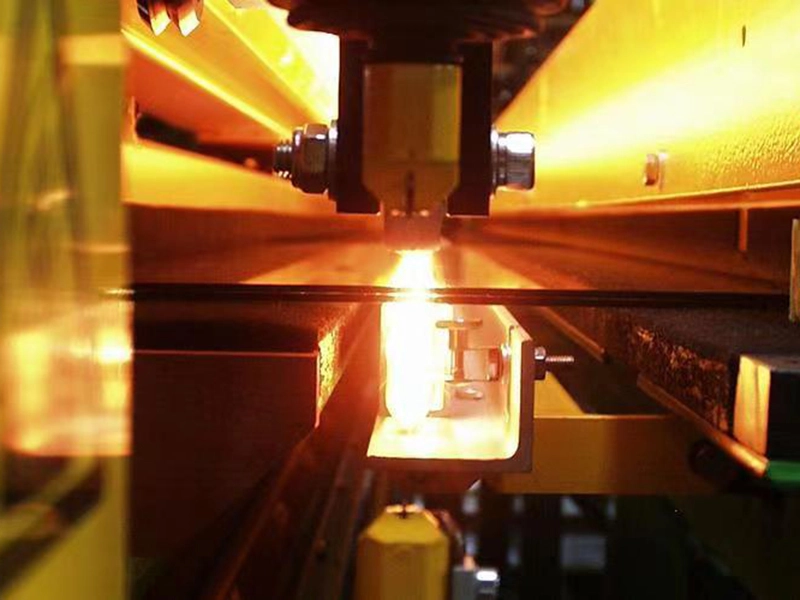
On the line, glass shaping comes down to one thing: heat control. If the furnace ramps are sluggish or temperature drifts across the sheet, you’re staring down warp, optical distortion, and stress fractures. You’re also staring down scrap and restarts that chew straight through margin. We built our infrared emitters for glass shaping to stop that waste at the source—fast, repeatable, uniform heating in tempering, bending, and pre-form. The core is straightforward. Short-wave infrared emitters, quartz envelopes, high-emissivity elements—tuned for quick response and tight thermal coupling to glass. Power density is matched to line speed and thickness, with voltage options from 240V to 480V and a compact footprint that fits standard mounting and clearances. You get direct-radiant heat that cuts convection losses, shortens soak time, and holds setpoint stability across the batch. Why it works in practice is measurable. Energy use drops because the emitters heat on demand and cool quickly—no idle losses. Cycle time improves because the glass hits forming temperature faster, and better uniformity means fewer reworks. In real plants, that shows up as higher yield and fewer cracked or out-of-spec sheets. Maintenance stays simple too: fewer consumables, predictable lamp life, and modular replacement that keeps downtime short. One practical heads-up: infrared performance lives or dies on reflector alignment, clean surfaces, and matching the emitter spectrum to the glass coating and emissivity. Plan the install with clear access, and make sure the control strategy is dialed in—PID tuning and thermal zoning matter as much as the lamp itself. Set it right, and the line runs with fewer stops, lower kWh per sheet, and part geometry that stays consistent.