Why Your Glass Batches Keep Coming Out Inconsistent
Ever have a batch of glass where one side looks perfect, but the other is riddled with internal stress or just plain snaps? It’s a nightmare. Usually, it happens because the heat isn’t hitting the glass evenly. You’ve got these “cold spots” hiding in your process, and that’s where the trouble starts. Most people think the answer is just to crank up the power. But that’s a mistake. The real secret is actually in the aluminum reflector.
It’s All About the Bounce
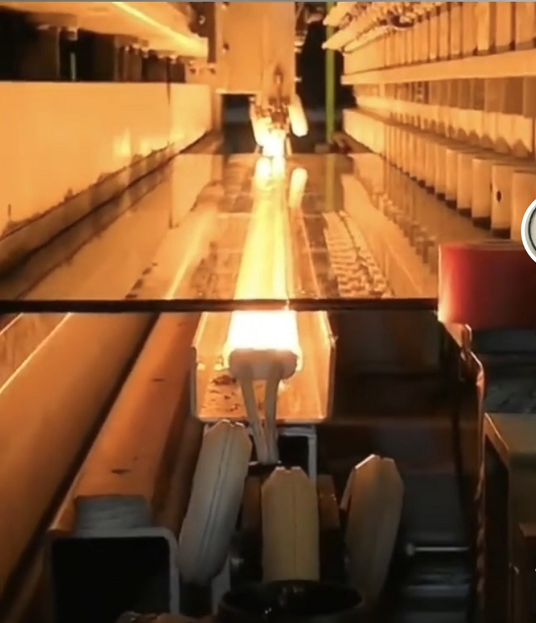
Think about an IR lamp without a reflector. You’re basically throwing half your energy away. We use high-purity aluminum reflectors to catch that wasted radiation and shove it back onto the glass. But here’s the catch: every single reflector in your array has to be a twin. If one reflector is off by just a few millimeters in its curve, or if the surface finish is slightly rougher than the others, you get “thermal stripes.” You can buy twelve lamps with the exact same wattage, but if the reflectors aren’t perfectly matched, the heat hitting your glass will be a mess.
The Dirty Truth About Maintenance
We stick with anodized aluminum because it can take the heat without warping. It’s tough. But it’s not invincible. Dust and oxidation are the enemies here. When a reflector gets dirty, it stops bouncing heat efficiently. To make up for it, you’ll probably be tempted to turn up the lamp voltage.**Don’t do it.**That just burns out your lamps faster and costs you more money in the long run. Keep them clean, and they’ll actually last.
Getting Your Batch Stability Right
If you want every piece of glass to come out the same—from the first one to the last—you need your lamps and reflectors to work as a matched set. One last thing to keep in mind: these high-intensity setups get incredibly hot. If your cabinet cooling isn’t up to the task, the reflectors will “heat-soak.” When that happens, the focal point shifts, and you’re right back to square one with the same inconsistencies you were trying to fix in the first place.