

Stop Killing Your Cutting Wheels: The Secret to Thick Glass
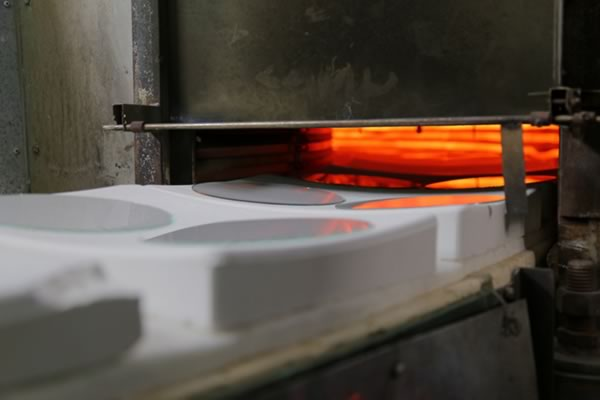
If you’ve ever tried to cut through ultra-thick glass plates, you know the struggle. It’s brutal. The material is so rigid that your cutting wheels just take a beating, chipping way too fast and forcing you to swap them out constantly. It’s a headache and a waste of money. We found a better way to handle this using gold-coated shortwave IR lamps. Basically, we use heat to make the glass “give” a little more. Why the gold coating? Most quartz lamps just throw out a broad mix of heat. But when you add that gold coating, it shifts everything toward the shortwave spectrum. Here is the trick: shortwave IR doesn’t just sit on the surface. It actually sinks deep into the glass. Instead of just warming the top layer, the energy pushes down into the plate, creating a soft spot exactly where you need to cut. It’s about softening, not melting You aren’t trying to turn the glass into liquid here. You just want to drop the viscosity enough so the cutting wheel doesn’t feel like it’s hitting a brick wall. When the wheel hits that pre-heated path, the fracture moves through the glass much more smoothly. It takes way less effort to get through the cut, which means your wheels stop burning out. A few things to watch out for These lamps pack a serious punch, and that means a lot of heat. You’ve got to get your cooling right. If your housing isn’t vented, that heat will build up and start warping your brackets or frying your wires. And a word of advice: use a precise timing controller to pulse the heat. If you just blast it, you might actually crack the glass from thermal shock before the wheel even touches it. Getting it running The good news is that these are pretty much drop-in replacements for your standard IR heaters. Just double-check that your power supply can handle the initial startup current. Once you’ve got them wired up, you’ll notice it immediately. Your edges look cleaner, and you aren’t tossing cutting wheels in the trash nearly as often.