

Why Your Bathroom Heat Lamp Keeps Dying (and How to Fix It)
Let’s be honest: most bathroom heat lamps are kind of a joke. You turn them on, wait forever, and you’re still shivering. Worse, they tend to burn out way too fast because bathrooms are, well, wet. Steam and splashes are basically kryptonite for cheap electronics. That’s why we’ve been moving toward high-IP waterproof infrared heaters. It’s a completely different ballgame.
The Deal with IP Ratings
If you’ve ever seen a heater short out or start rusting after a few months, you’ve seen a low IP rating in action. Basically, “IP” is just a fancy way of saying how well the guts of the machine are sealed. We look for high ratings because they use tight gaskets and heavy-duty housing. It keeps the moisture from sneaking in and hitting the live wires. It’s the difference between a heater that lasts a season and one that actually lasts years, even in a steamy shower room.
Infrared vs. The Old Stuff
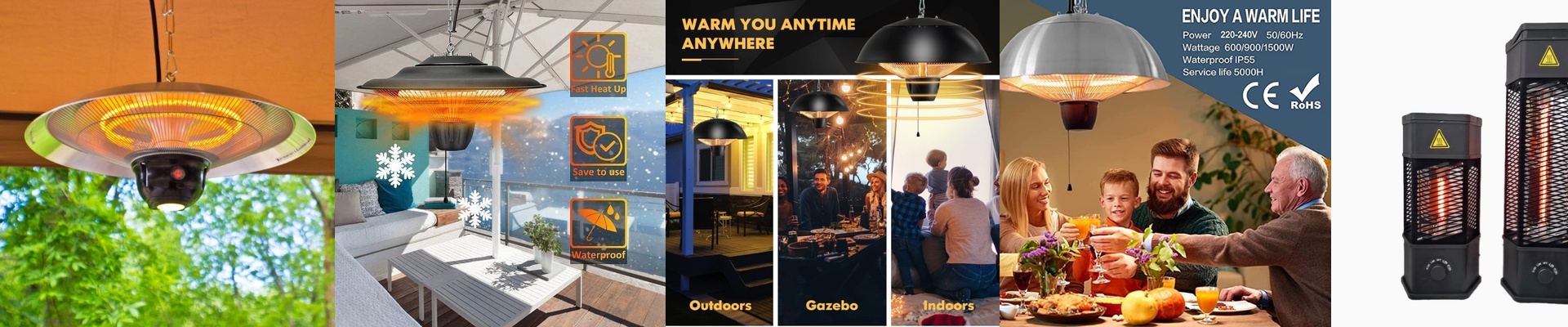
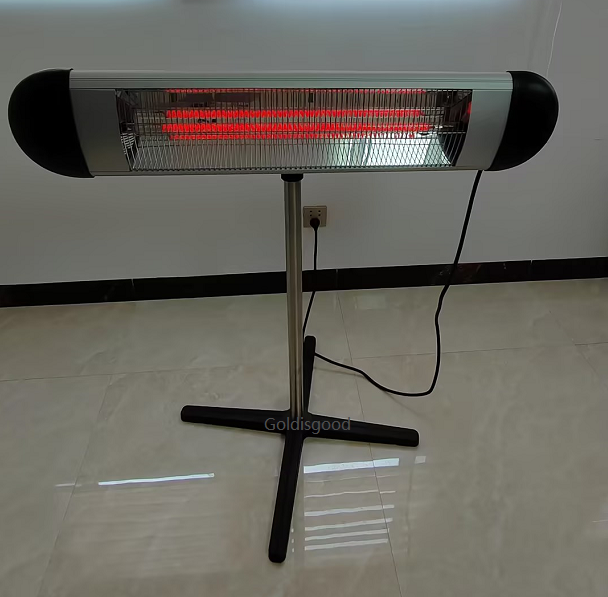
Here is the thing about old-school heat lamps: they try to warm up the air. But if you’ve got a drafty bathroom or a window cracked open, that heat just vanishes. You’re basically heating the room for the neighborhood. Infrared is different. It uses short-wave radiation. Instead of fighting the air, the heat travels straight to your skin or the floor. You feel it the second you flip the switch. We use quartz tubes for this. They’re tough. They can handle the shock of going from a freezing, damp room to scorching hot without cracking.
A Few Things to Keep in Mind
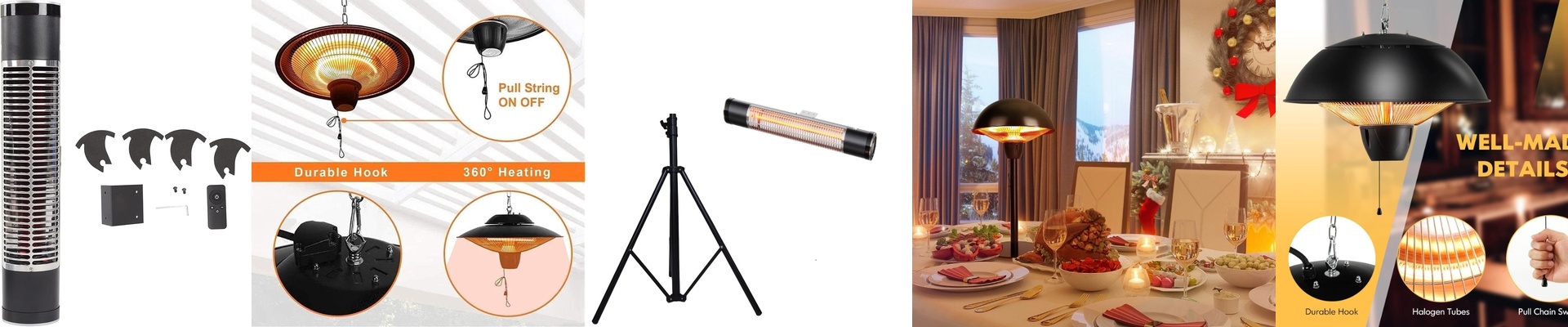
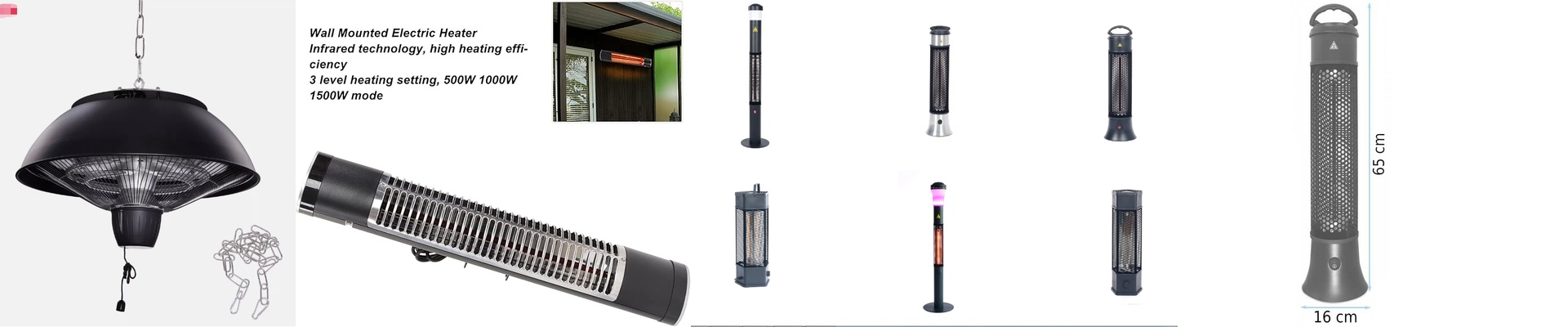
You can’t just plug these into any old outlet and call it a day. If you want that real, intense heat, you’ll need a dedicated circuit. And a word of warning: these things gethot. Really hot. If you mount them too low, you’re going to end up with “hot spots” or, worse, scorched surfaces. You have to get the height just right based on the wattage so it feels like a warm hug, not a heat lamp at a reptile zoo. They’re a great replacement for those old, dying lamps, just make sure you use a proper waterproof junction box. It’s a small detail, but it’s what keeps the whole thing safe.