Why we built our 1500W Gazebo Heaters to be modular
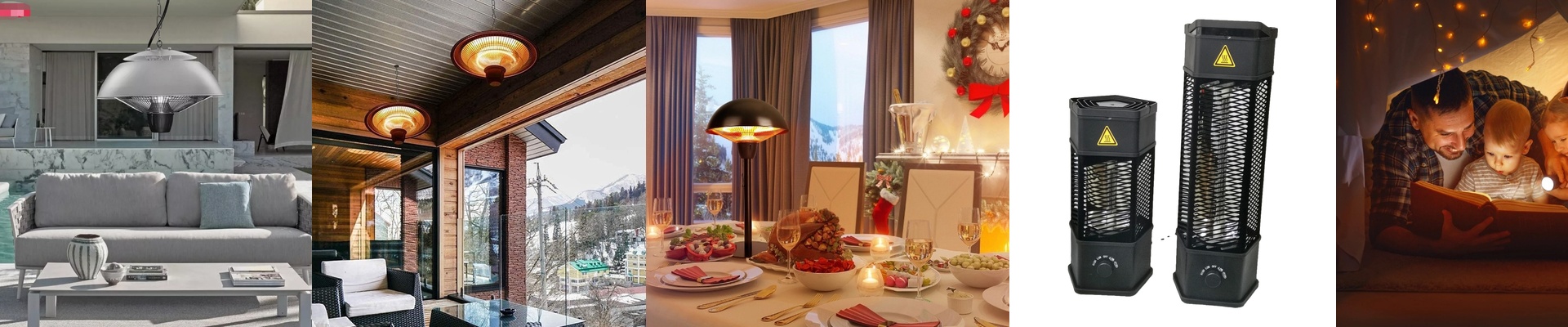
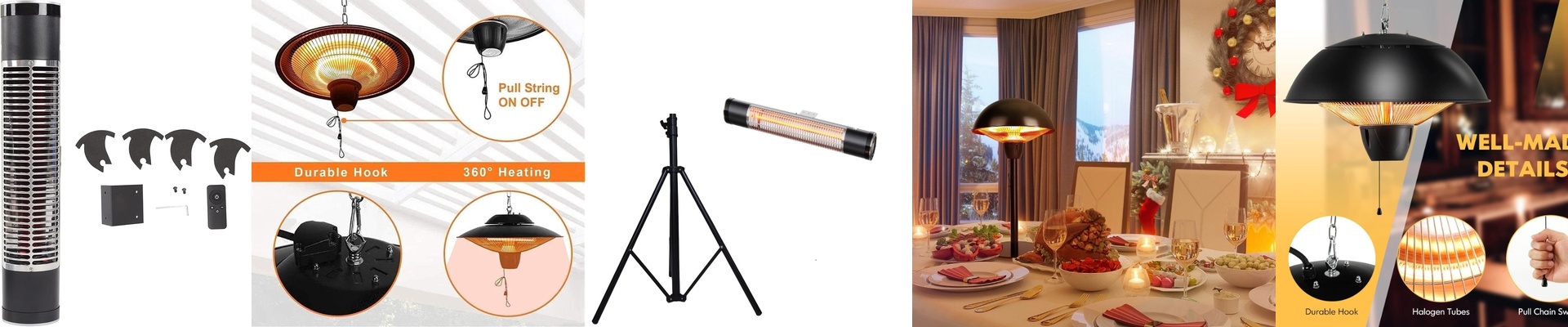
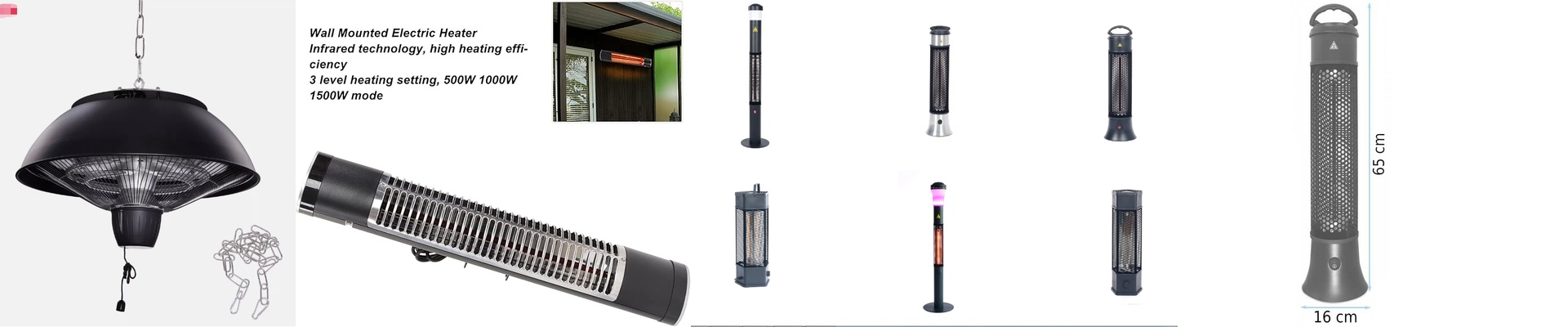
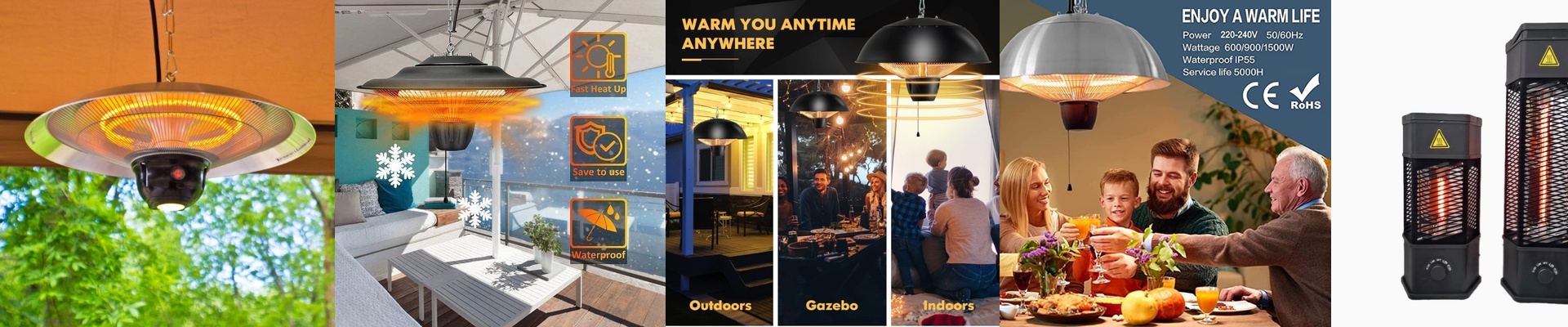
Let’s be honest: outdoor heaters take a beating. Between the humidity and the wild temperature swings, things eventually wear out. Specifically, heating elements have a lifespan. When they go, most people find themselves staring at a dead fixture that’s bolted to the ceiling, wondering why they have to replace the whole damn thing just because one tube burnt out. We thought that was a waste. So, we did it differently. The Heat Factor We went with 1500W because it’s the sweet spot. In an open gazebo, the wind just steals your heat. You need enough punch to fight that breeze. We use shortwave infrared, which is a fancy way of saying the heat goes straight to you, not the air. It feels like standing in the sun on a crisp October morning. Plus, it plays nice with standard home circuits. Just double-check your wiring gauge so you don’t blow a breaker the moment you flip the switch. No More “Throwaway” Heaters Most heaters on the market are welded shut or sealed tight. If a part breaks, the whole unit is trash. Our design is more like Lego. The heating element is a plug-and-play module. If a tube dies after five years of hard use, you don’t need to call an electrician or rip the chassis out of your ceiling. You just pop the clips, slide the old module out, and slide a new one in. It takes about five minutes. Seriously. The Trade-off Now, here is the catch. Because we use connectors instead of hard-wiring everything, there are more points where things can go wrong. To stop those points from overheating, we use high-temp rated connectors. But they only work if you push them in all the way. If the fit is loose, you’ll get arcing, which is something you definitely don’t want. Just make sure they’re seated firmly during install, and you’re golden. We chose this path because we’d rather you spend five minutes swapping a part than a few hundred dollars replacing a whole housing. It turns a disposable product into something that can last you a decade.