Stop Losing Money Every Time the Temperature Drops
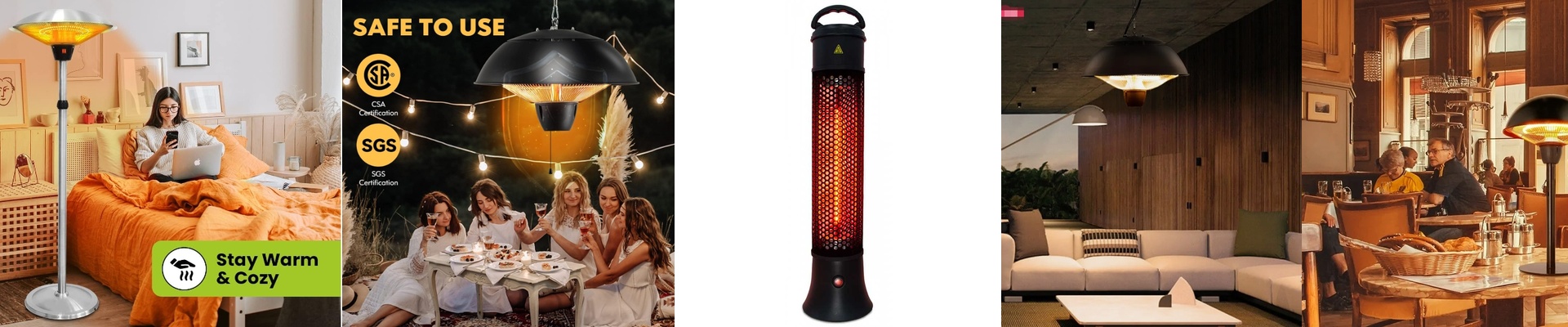
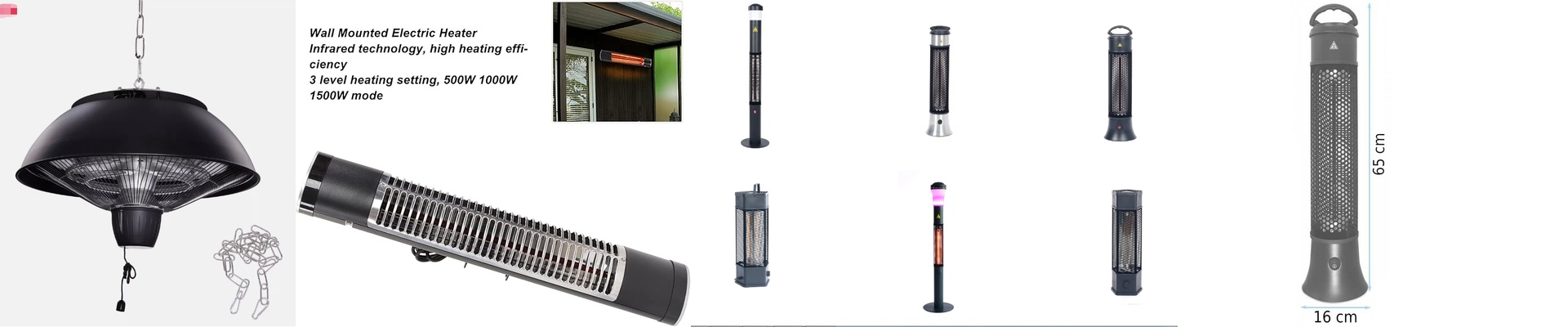
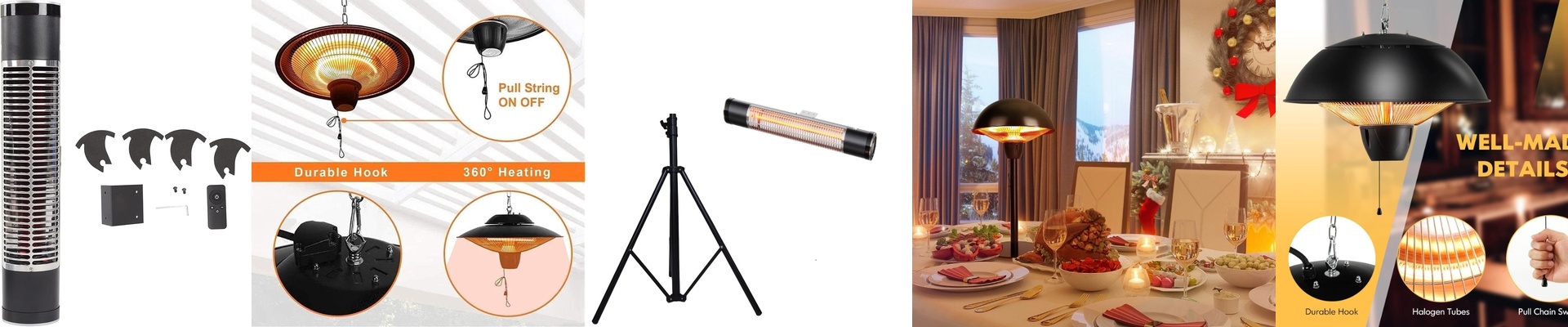
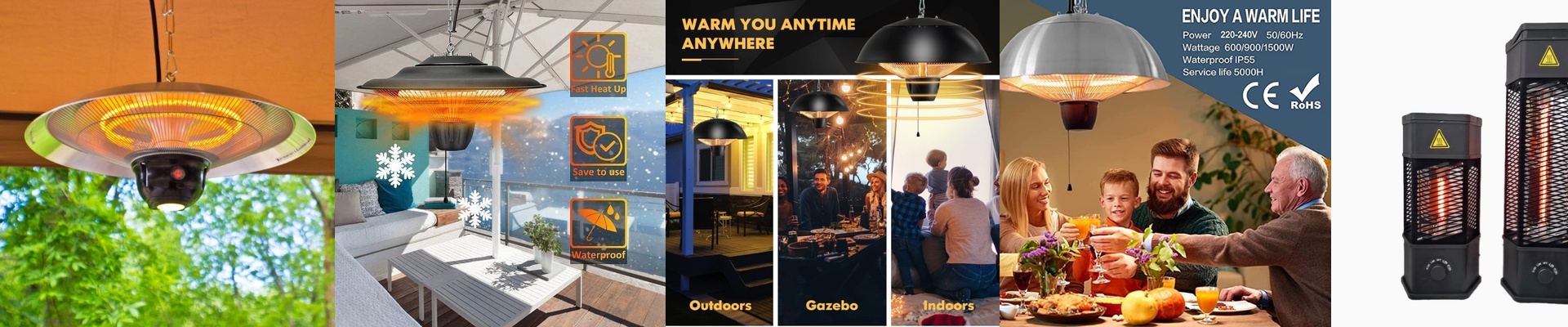
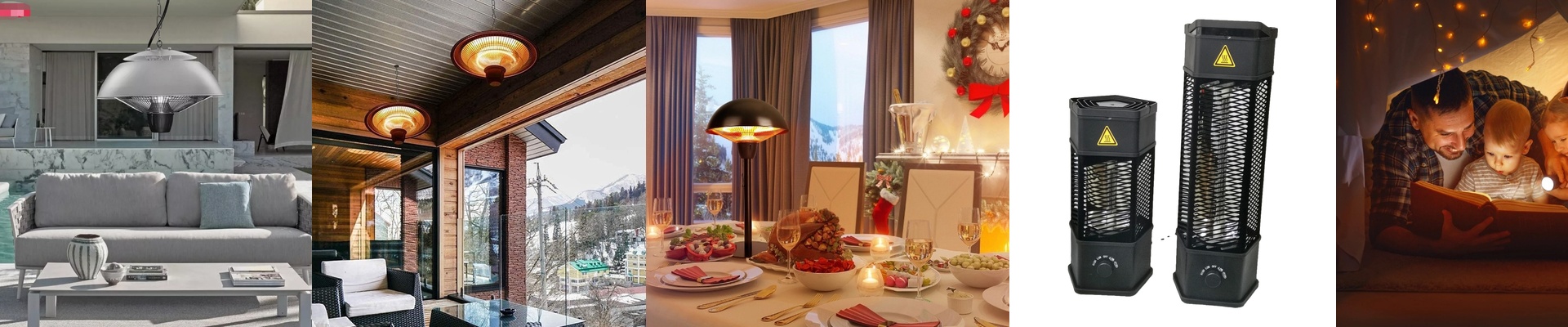
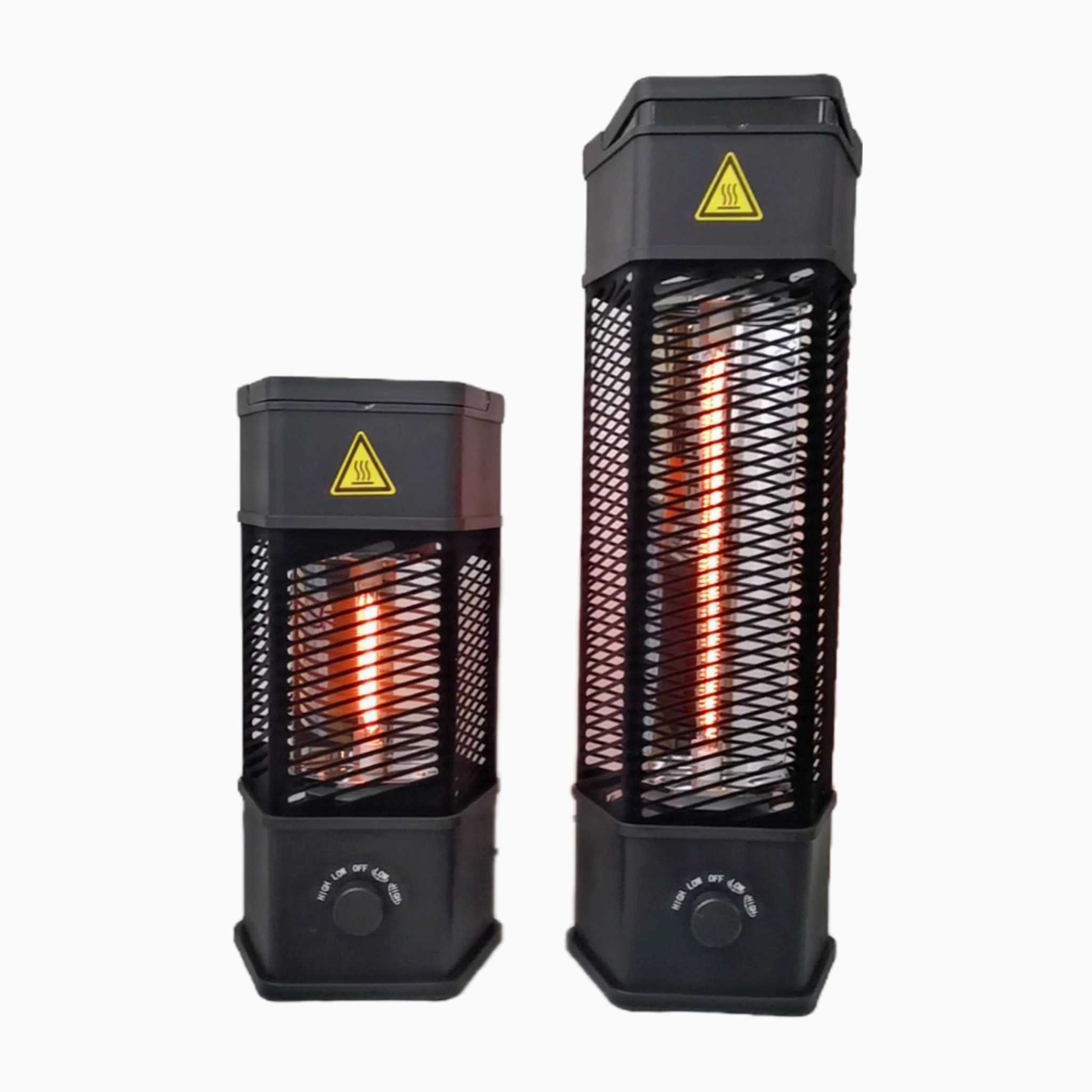
Let’s be honest: nobody wants to eat dinner while their teeth are chattering. If you run an outdoor patio, you know the struggle. Winter usually means empty tables and a huge dip in revenue because guests just won’t sit in the cold. You might have tried those big forced-air heaters, but they’re basically useless outside. The second a breeze kicks up, all that expensive heat just blows away. That’s why we lean on ceiling-mounted infrared heaters. Instead of trying to warm up the air, these units beam heat directly onto your guests. It’s like sitting in the sun on a crisp autumn day. The wind can howl all it wants; your customers are still going to feel warm. How it actually works Think of it as a “cone of heat.” Since the units are on the ceiling, the warmth travels in a straight line down to the table. This is the smart way to do it. You aren’t wasting money trying to heat the entire outdoors—which is impossible—you’re just heating the people. They feel it the moment they sit down. The gear you actually need We usually go with shortwave or medium-wave elements. Shortwave is the way to go if your patio gets a bit breezy, as it hits the target faster. And since these things live outside, we wrap them in weather-resistant housings. No one wants a rusty heater hanging over their appetizers. One thing to watch out for: the wattage. If you go too low, your guests will still be shivering. Go too high, and the table becomes too hot to touch. It’s a balancing act. My advice? Set them up in zones. That way, if only two tables are occupied, you aren’t paying to heat the whole patio. The bottom line When people are comfortable, they linger. They order that second bottle of wine or a dessert they weren’t planning on. It keeps your tables turning and your revenue steady, even in the off-season. Just a heads-up on the electrical side of things. These arrays pull a lot of power. Make sure your electrical panel can actually handle the load, or you’ll be tripping breakers right in the middle of a dinner rush. Plus, if the wiring is sloppy, you’ll get voltage drops, and your heaters just won’t put out the heat they’re supposed to. Get the power right, and you’ve basically just extended your prime season by several months.