


Why Ceiling Infrared Heaters Actually Work
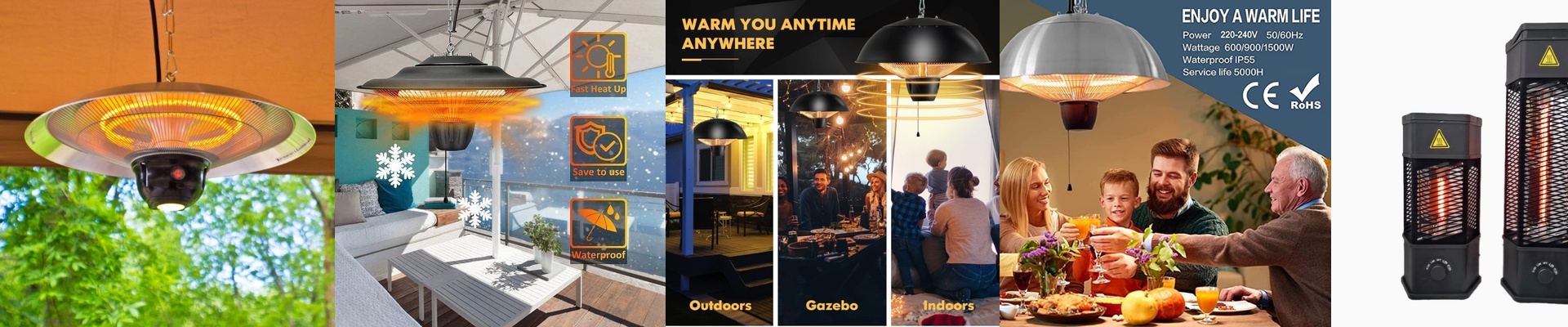
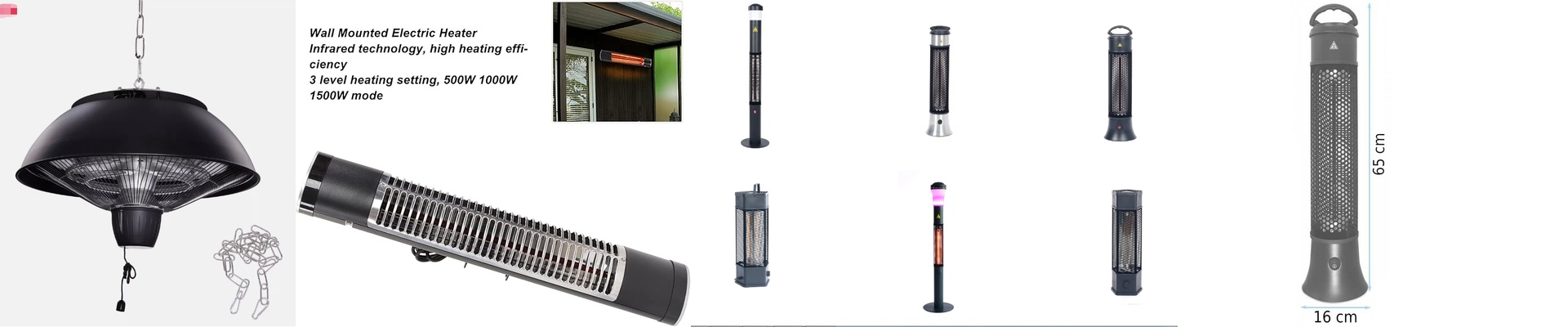
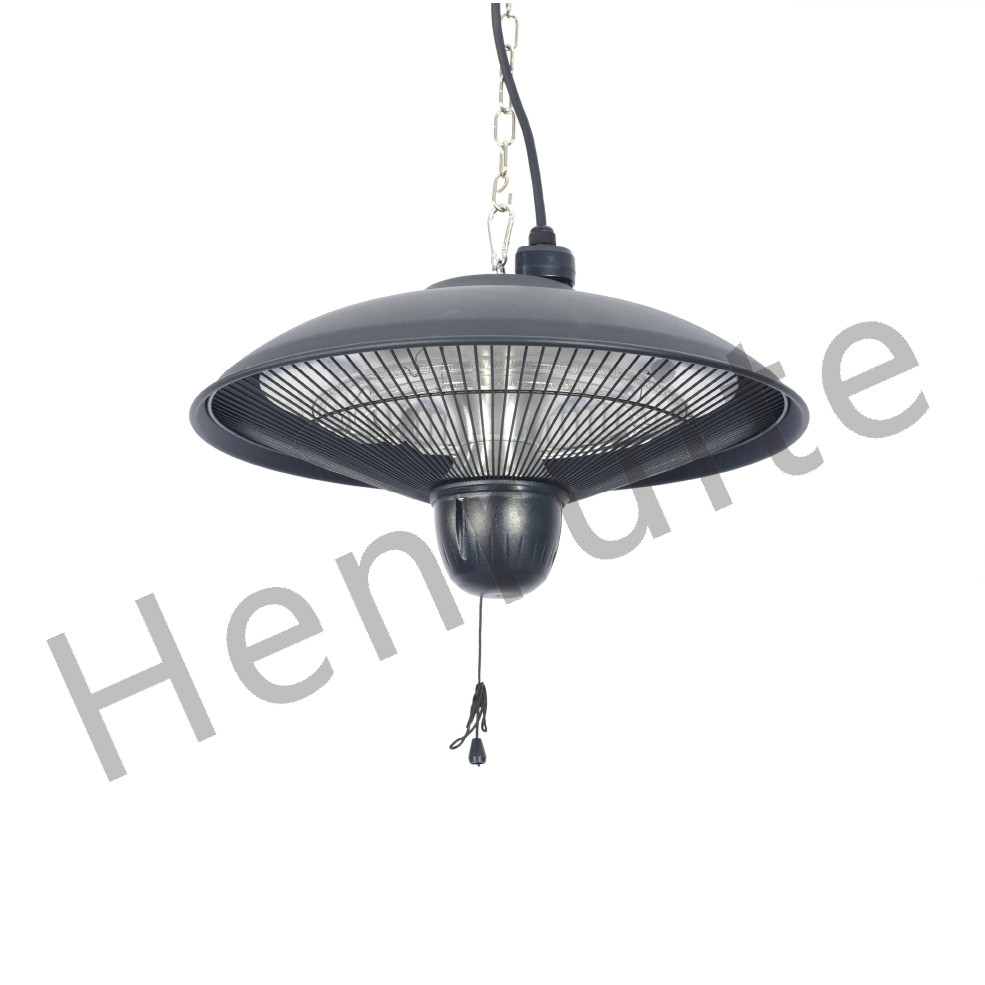
We built these ceiling heaters because we were tired of seeing energy wasted. Think about a big workshop or a drafty changing room with high ceilings. If you use a standard forced-air heater, you’re basically heating the ceiling. By the time that warm air tries to drift down to where people actually are, it’s already gone. It’s a waste of money and a pain for anyone standing on the floor. Our infrared heaters do things differently. Instead of fighting with the air, they send heat straight to whatever they hit. It’s about the feeling. You know that feeling when you step into a cold locker room, but the second you stand under one of these, you feel the warmth soak into your skin and clothes? That’s the magic. You aren’t waiting for the whole room to warm up—which could take forever—you’re just getting warm, right now. Getting the setup right To get that “instant” warmth, we use high-wattage quartz elements. But there’s a trick to it: mounting height is everything. If you hang a powerful unit too low, you’re going to bake whoever is standing underneath it. Too high? The heat loses its punch before it hits the floor. We usually help you crunch the numbers on the BTU needs for your specific floor space so you don’t end up with a “cold spot” in the middle of your shop. The gritty details of installation We made these easy to swap in. They use standard industrial connectors, so you aren’t spending all day on a ladder fighting with wires. Just a heads-up, though: these units pull a lot of power. Before you flip the switch, double-check that your circuit breakers and wiring can handle a heavy, continuous load. You don’t want to be tripping breakers in the middle of a shift. One last thing. We use treated alloys for the housings because cheap metal warps when it gets hot and cold over and over. Our units stay straight. Also, keep in mind that these heaters don’t pull moisture out of the air. If your shop gets really damp, you’ll still want a good ventilation plan so you don’t end up with condensation dripping down your walls.