
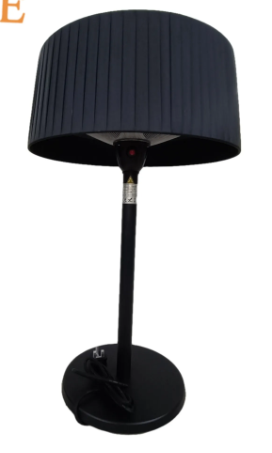
Why Shortwave IR is the only way to fix a freezing changing room
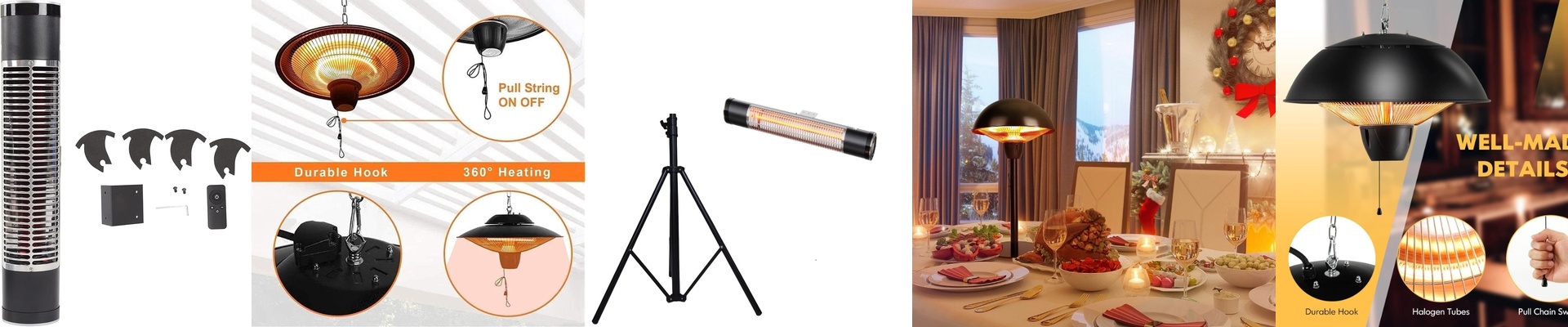
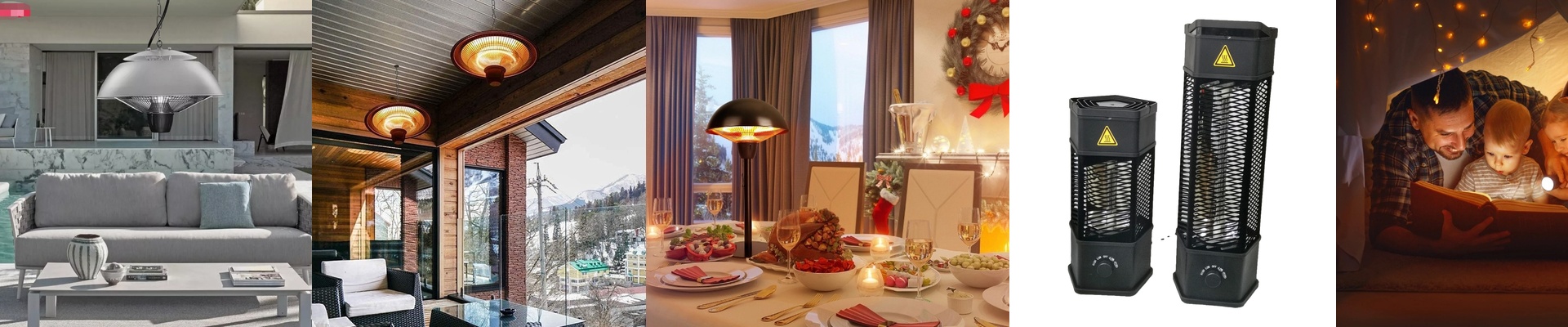
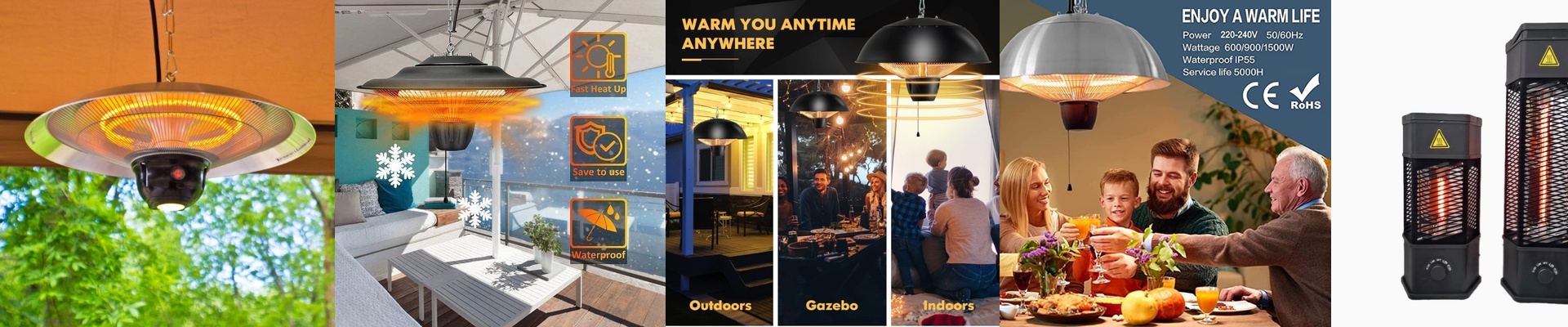
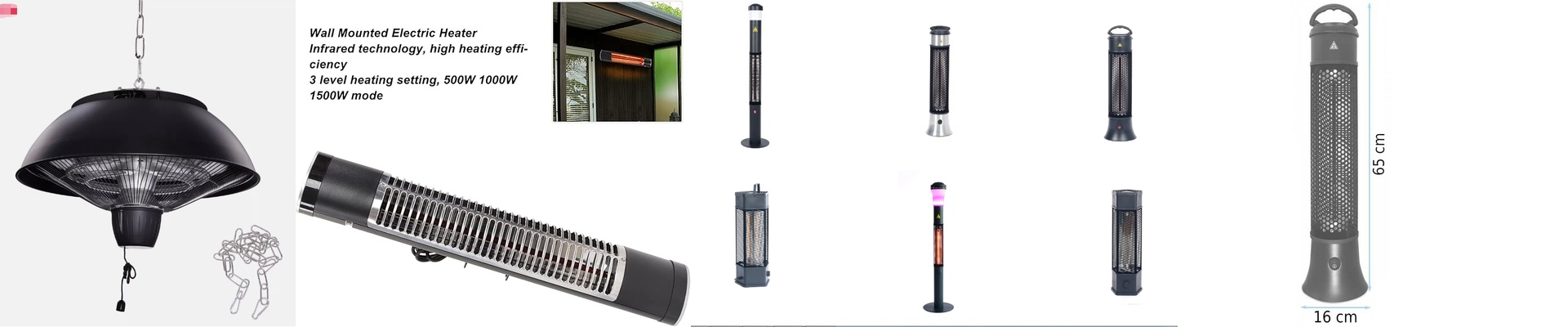
Ever stepped into a cold changing room after a shower? It’s miserable. If you try to fix that with a standard space heater, you’re basically fighting a losing battle. Those things waste way too much time trying to warm up the air, which just drifts away the second someone opens the door. That’s why we use shortwave infrared (IR). Instead of messing around with the air, IR sends heat directly to the person. It’s like stepping into a beam of sunlight on a winter day. You feel it instantly. No waiting, no shivering, just immediate warmth. The secret to that “instant” feeling The science is pretty simple: shortwave IR has a shorter wavelength, so the heat actually sinks deeper into your skin and muscles. Compare that to a regular electric heater. You’ll be standing there for 15 minutes waiting for the room to “stabilize” while you’re still freezing. With an IR wall unit? You flip the switch and you’re warm. Period. The gear we use For bathrooms and wet areas, we stick with quartz glass tubes filled with halogen gas. Why? Because the halogen keeps the tungsten filament from burning out too fast. It just lasts longer. Since we’re dealing with steam and splashes, we tuck these into moisture-resistant housings. You don’t want steam messing with your electrical connections—that’s a recipe for a bad day. One thing to keep in mind is where you put them. Wall-mounting is great for saving floor space, but you’ve got to get the angle right. If you tilt the emitter too far, you lose that concentrated heat right where the user needs it. The tricky part: Finding the balance Here’s the thing: high-wattage lamps pack a punch, but they can be a bit aggressive. If you aren’t careful, you end up with “hot spots” and “cold zones.” The person standing right under the beam feels like they’re in a sauna, while the person two meters away is still cold. You have to play around with the wattage and the spacing to make sure the warmth feels even. Also, don’t go overboard on the wattage without checking your ventilation. If the housing gets too hot, it’ll trip the safety switch and shut everything down. And for heaven’s sake, make sure your wiring can handle the peak current. If the voltage drops, your efficiency tank, and you’re back to square one.