

Getting IR Preheating Right for Silk-Screened Glass
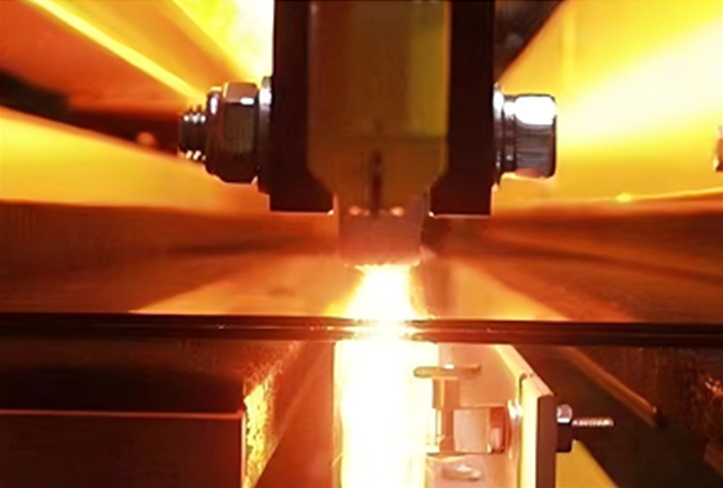
When you’re mixing silk-screen printing with tempering, you’re basically playing a game of thermal balance. It’s a tightrope walk. Hit the glass too hard or too fast? Your ink burns or starts peeling. But if you’re too timid with the heat, the glass never hits that sweet spot where it can soften properly. That’s how you end up with brittle glass that fails when you need it most. That’s where shortwave infrared (IR) lamps come in. They bridge that gap.
Keeping the Patterns Sharp
The whole point here is to bake the ink and prep the glass for the furnace without ruining the art. Shortwave radiation is great because it punches through the surface quickly. It drives the solvents out of the ink fast, so the glass doesn’t have to sit in the heat for ages. If you let it soak too long, those crisp pattern edges start to blur and bleed. It’s frustrating to see a great design get ruined in the last few steps. You’ve got to play around with the lamp wattage and how far they sit from the glass. I prefer high-density IR arrays because they take up less space on the line. Less time in the preheating zone means the ink stays the right color and doesn’t overheat.
The Strength Struggle
Tempering is all about that sudden, sharp drop in temperature. But that only works if your baseline is steady. Here’s the thing: if your IR lamps create “hot spots,” the glass expands unevenly. This is where things get ugly. You’ll see optical distortions, or even worse, the glass might just spontaneously shatter after it leaves the quench. Nobody wants to deal with that. I’ve found that staggering the lamp positions helps keep the heat flat across the whole sheet. But you also have to watch your line speed. If you just crank up the wattage to push more product through, your cooling system is going to feel the pain. If you aren’t careful, you’ll actually melt your own lamp housings.
The Real-World Grunt Work
Let’s be honest: none of this is plug-and-play. Those high-wattage IR tubes are hungry. They need heavy-duty wiring and voltage that doesn’t jump around. A tiny flicker in power can mess up your heating consistency, and suddenly you’ve got a whole batch of glass with uneven strength. And a pro tip? Stop trusting the ambient air sensors. They don’t tell you what’s actually happening. Calibrate your sensors to theactual surface temperatureof the glass. That’s the only number that actually matters.