
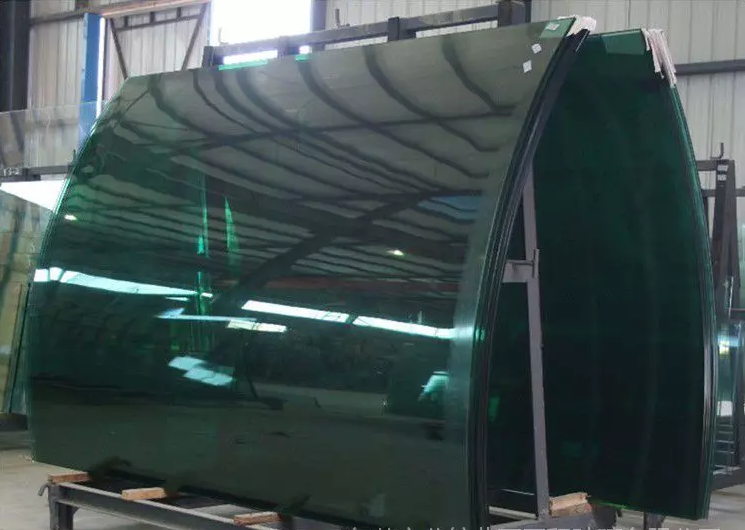
Stop the Cracks: Getting Glass Tempering Right
If you’ve spent any time on a glassware production line, you know the nightmare. You’ve got a beautiful piece, and then—snap. Most of that heartbreak happens during tempering, right when the glass moves from heat to cold. To stop those cracks, we use short-wave IR lamps tucked inside quartz sleeves. They hit the glass with a massive burst of heat instantly. It’s fast. Really fast. And that’s the only way to get the temper you need. The trick to not breaking everything Here’s the thing: you can’t just blast the heat and hope for the best. Slow heaters won’t cut it here. You need a system that can change power on the fly. By tweaking the wattage in real-time, you’re basically managing the tension between the hot surface and the cooler core of the glass. If you leave the power cranked too high right as the quench hits, the internal stress just becomes too much. The glass gives up. It shatters. The fix is simple: step the power down quickly. Give the surface a second to stabilize before that final blast of cold air hits. Why we obsess over quartz You might wonder why we use high-purity quartz for the sleeves. Well, imagine using standard glass. The moment the lamp hits full power, the sleeve itself would probably crack. Quartz is different. It doesn’t freak out when the temperature spikes. It lets the IR radiation slide right through without soaking up the heat. That means the energy actually goes into your product, not into the equipment. The hidden headaches Now, high-wattage lamps are great for speed, but they’re tough on your gear. Your electrical switchgear is going to feel the strain. That’s why we use SCR controllers. They handle that rapid on-off switching without frying your circuitry. And a pro tip: check your cooling fans. If they aren’t pulling heat away from the lamp ends, your electrodes are going to burn out way sooner than they should. One last thing—keep those quartz sleeves clean. A little bit of dust might seem harmless, but it creates hot spots. Those spots lead to uneven heating, and uneven heating is exactly how you end up with a pile of broken glass.