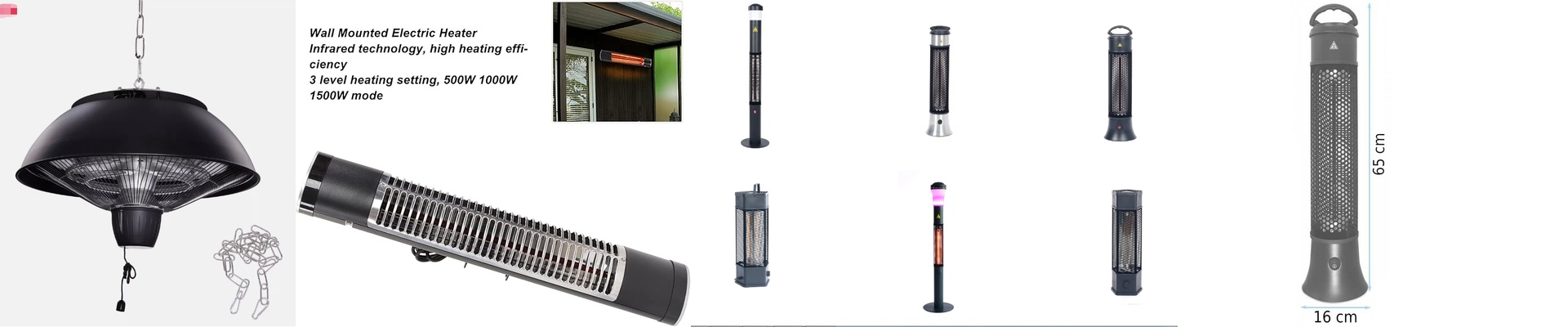
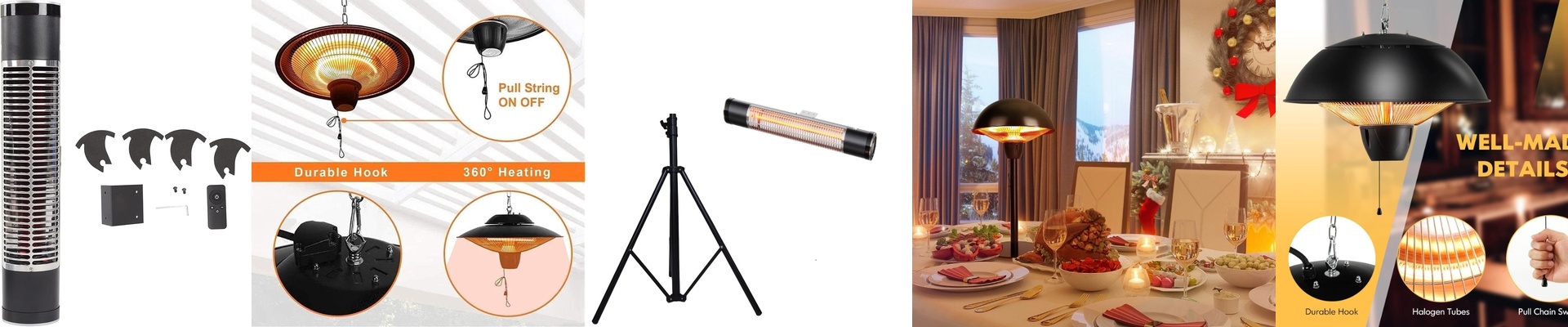
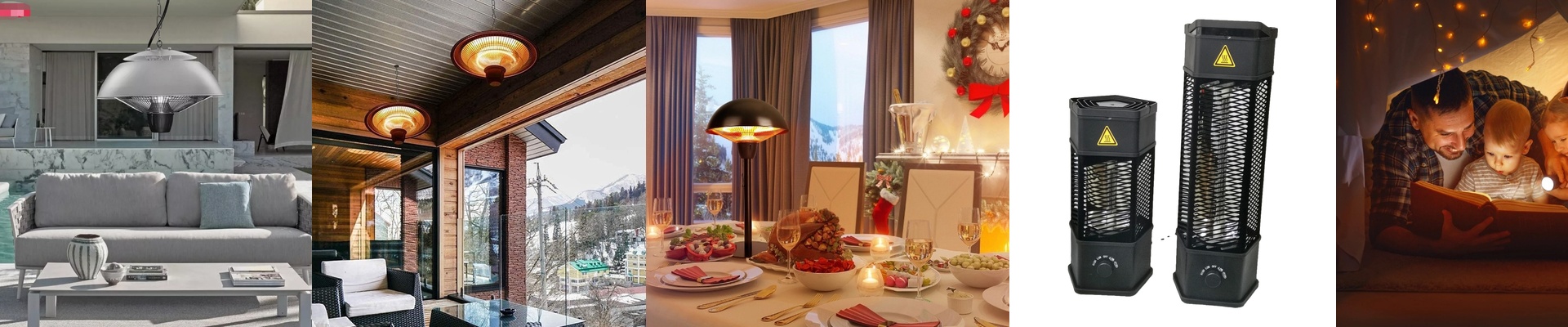

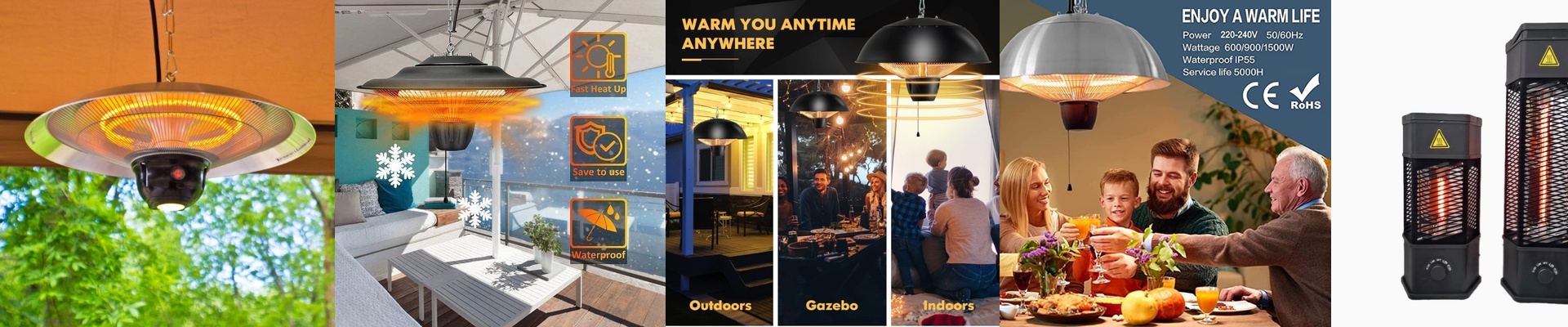
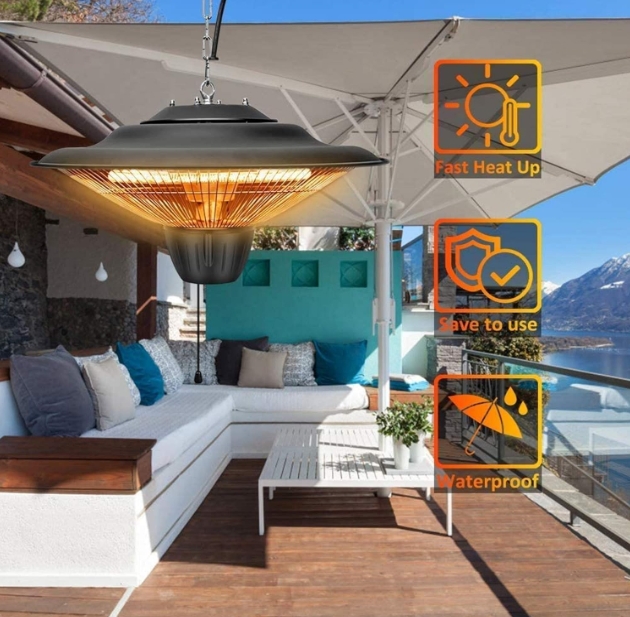
Stop Losing Money to the Cold: A Real Talk on Outdoor Heating
Let’s be honest: there is nothing worse than looking at a beautiful outdoor patio and seeing it completely empty because it’s a bit too chilly. It’s basically leaving money on the table. If you want to fill those seats, you can’t just blow hot air around. The wind will just steal it. You need heat that hits your guests instantly. That’s where IP65 infrared heaters come in.
Why the “IP65” Thing Actually Matters
Outdoor gear takes a beating. Between the rain, the humidity, and the random windstorms, standard heaters usually just give up. When you see “IP65,” it just means the unit is sealed tight. Dust can’t get in, and water can’t get in. You can tuck these under your awnings or mount them to the ceiling without stressing every time the clouds turn grey. If the seal is cheap, the element burns out. Period. Going with an IP65 rating means you aren’t replacing your hardware every single season.
Keeping Guests Warm (and Ordering)
Here is the secret: short-wave infrared doesn’t care about the air temperature. It doesn’t try to heat the wind; it heats the person. It feels like standing in the sun on a spring day. When people feel that warmth the second they sit down, they relax. They stay for another drink. They order dessert. You can actually use every single square inch of your patio, even when the temperature drops, because your guests aren’t shivering through their appetizers.
The Electrical Headache
Now, a word of warning. You can’t just plug these into a regular wall outlet and hope for the best. These arrays pull a lot of power. If you try to run them on a weak circuit, you’re going to trip a breaker right in the middle of the Friday night dinner rush. Trust me, that’s a nightmare you don’t want. Do yourself a favor and have a pro look at your electrical panel. You’ll want dedicated circuits for each heating zone. It’s a bit more work upfront, but it keeps everything stable.
Keeping Things Running
Eventually, the quartz tubes will wear out. It happens. When you notice the heat isn’t hitting quite as hard, it’s time for a replacement element. Just make sure the new one matches your original voltage and wattage exactly. If you get the specs wrong, you’ll either end up with a cold patio or a blown fuse. Simple as that.