

Getting Your IR Spectra Right for Glass Additives
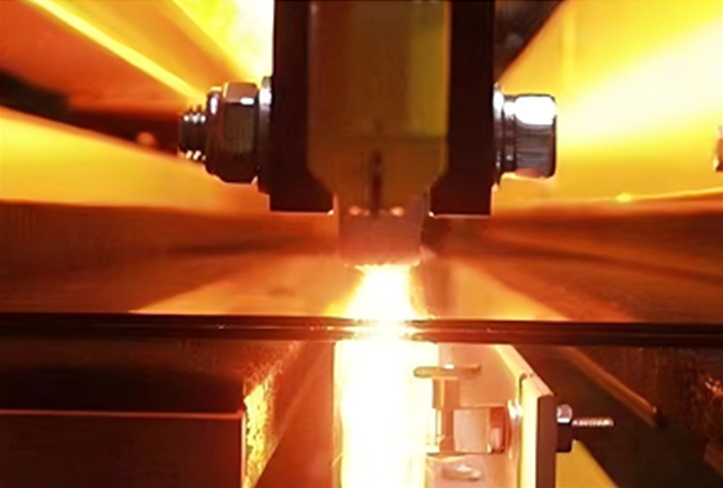
If you’re working with specialized glass additives, a basic, off-the-shelf quartz heater usually isn’t going to do the trick. Here’s why: different chemicals have their own “sweet spots” for absorbing infrared energy. If your lamp is just blasting out a generic spectrum, most of that heat is either bouncing off the surface or passing straight through. It’s a waste of power, and it’s frustrating. To actually get the heat where it needs to go, we have to match the lamp’s emission curve to exactly what your material wants to soak up. Tuning the spectrum Most quartz lamps are broad. They throw everything at the wall. But we can get a lot more surgical. By swapping out the filament material and adding specific internal coatings to the quartz tube, we can shift the peak emission. We move the heat to align perfectly with your additive’s absorption peak. The result? The heat actually sinks deep into the glass matrix instead of just scorching the surface. It feels more controlled. More precise. The hardware side of things We use high-purity fused quartz because, frankly, these things take a beating from thermal shock. When we’re figuring out your wattage and voltage, it’s all about heat density. High-wattage tubes get you up to temperature fast. Really fast. But they put a lot of stress on your power supply. Just make sure your controllers can handle the current draw, or you’ll be replacing burnt-out tubes way sooner than you’d like. The trade-offs (because there’s always one) Here is the catch: when you tune a lamp for a specific additive, you’re trading versatility for precision. If you decide to change your glass chemistry next month, a lamp tuned for your old recipe probably won’t perform well. It’s a specialized tool for a specialized job. Also, those internal coatings are sensitive. If you push the tube past its rated temperature, they can degrade. Keep your cooling fans dialed in and you’ll be fine. The good news is that we design these as drop-in replacements. As long as your electrical specs match, they’ll slide right into your existing housing without a fuss.